Primary Keyword: Zen Garden Ideas
Meta Description: Discover the best zen garden ideas to transform your backyard into a peaceful retreat. Explore Japanese-inspired landscaping, rock gardens, water features, minimalist designs, and calming outdoor spaces.
Introduction
In today’s fast-paced world, creating a peaceful outdoor retreat has become more important than ever. A thoughtfully designed zen garden offers more than just beautiful landscaping—it provides a calming environment where you can relax, recharge, and reconnect with nature. Inspired by traditional Japanese design principles, zen gardens focus on simplicity, balance, and natural beauty.
Whether you have a spacious backyard, a compact courtyard, or even a tiny balcony, there are countless ways to incorporate zen-inspired elements into your outdoor space. Clean lines, carefully placed stones, soft gravel, lush greenery, bamboo accents, and tranquil water features all work together to create an atmosphere that encourages mindfulness and relaxation.
Modern homeowners also appreciate zen gardens because they require relatively low maintenance compared to traditional flower gardens. Instead of focusing on colorful blooms, they celebrate texture, shape, and natural materials that remain beautiful throughout every season.
In this guide, you’ll discover 27 inspiring zen garden ideas that suit every home style—from minimalist modern landscapes to traditional Japanese retreats. Along the way, you’ll also learn practical design tips, the best plants to choose, and common mistakes to avoid so you can create a peaceful sanctuary you’ll enjoy for years.
What Is a Zen Garden?
A zen garden, often called a Japanese rock garden or karesansui, is a carefully designed outdoor space that emphasizes harmony, simplicity, and contemplation. Unlike traditional gardens filled with colorful flowers, zen gardens rely on natural elements like rocks, gravel, sand, moss, bamboo, and evergreen plants to create visual balance.
Every element has meaning. Large stones often represent mountains or islands, while raked gravel symbolizes flowing water. Empty space is just as important as decorative features because it allows the eye to rest and creates a sense of openness.
Modern zen gardens blend these timeless principles with contemporary landscaping techniques, making them suitable for homes of every size.
Why Homeowners Love Zen Gardens
A well-designed zen garden offers much more than attractive landscaping.
Creates a Peaceful Retreat
The calming atmosphere encourages relaxation after a busy day and provides the perfect place for meditation or quiet reflection.
Low Maintenance
Unlike flower gardens that require frequent watering and seasonal planting, zen gardens rely heavily on stones, gravel, and evergreen plants.
Increases Property Value
Beautiful outdoor spaces improve curb appeal and make homes feel more luxurious.
Perfect for Small Spaces
Zen gardens can be adapted to balconies, patios, side yards, courtyards, and even indoor spaces.
Timeless Design
Minimalist landscaping never goes out of style and works beautifully with modern, traditional, Scandinavian, and farmhouse homes ali
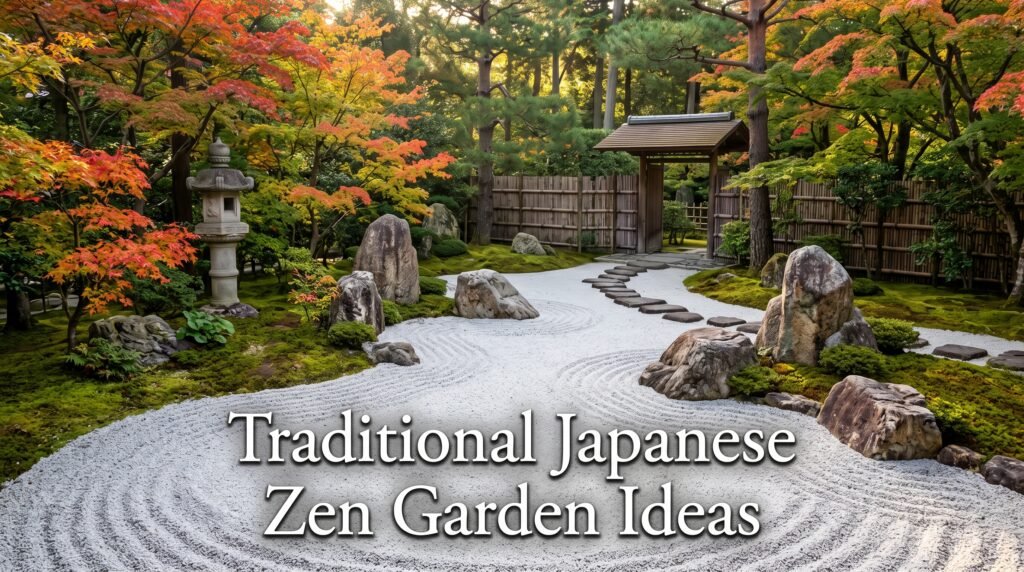
Nothing captures the spirit of a zen garden better than a traditional Japanese rock garden. This timeless design uses carefully positioned stones surrounded by neatly raked white gravel that symbolizes flowing rivers or peaceful oceans. Every rock is intentionally placed to create harmony and encourage quiet reflection.
A traditional layout often features asymmetrical arrangements because nature rarely appears perfectly balanced. Instead of planting colorful flowers, the emphasis remains on texture, negative space, and natural materials.
To complete the look, add moss around larger stones, a stone lantern, or a simple bamboo fence. These subtle details create authenticity without overwhelming the landscape.
This type of garden works especially well in front yards, meditation spaces, and quiet backyard corners where minimal distractions help create a peaceful atmosphere.
Design Tips
- Use white or light gray gravel.
- Place rocks in odd-numbered groupings.
- Add moss for softness.
- Keep decorations minimal.
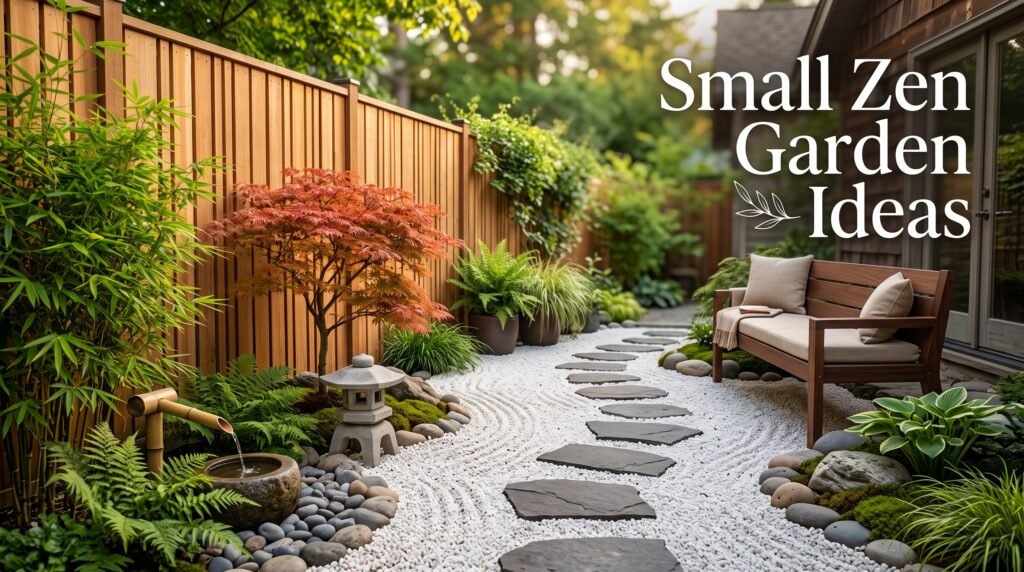
You don’t need a massive backyard to enjoy the beauty of a zen garden. Even a small outdoor space can become a peaceful retreat with thoughtful planning.
Begin by defining separate zones using gravel, stepping stones, and compact evergreen plants. A small wooden bench instantly creates a relaxing destination where you can enjoy your morning coffee or unwind after work.
Vertical bamboo screens provide privacy while adding natural texture without consuming valuable floor space.
Instead of filling every corner with decorations, leave open areas that allow the garden to breathe. Simplicity is one of the most important principles of Japanese landscape design.
Small water bowls, smooth river rocks, and a miniature maple tree can become striking focal points while maintaining a clean appearance.
A carefully designed small zen garden often feels larger because of its uncluttered layout and balanced composition.
Design Tips
- Choose compact plants.
- Install stepping stones.
- Add one focal feature.
- Keep pathways open.
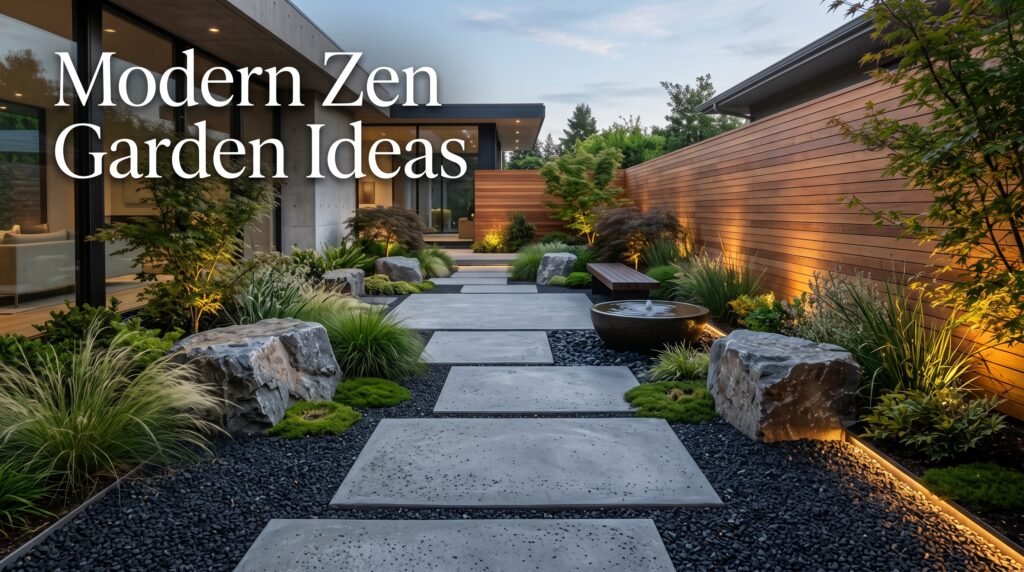
Modern homes pair beautifully with minimalist zen landscaping. Instead of ornate decorations, this style emphasizes clean geometry, neutral colors, and premium natural materials.
Large concrete pavers surrounded by black gravel create strong visual contrast, while sculptural boulders add organic character. Carefully pruned ornamental grasses soften the design without making it appear busy.
Wooden privacy walls, black steel planters, and subtle outdoor lighting help blend contemporary architecture with timeless Japanese principles.
The color palette remains simple, featuring shades of gray, charcoal, white, natural wood, and deep green.
Many homeowners also include floating benches or sleek wooden decks to create comfortable seating areas that complement the minimalist aesthetic.
The result feels luxurious, calming, and incredibly sophisticated.
Design Tips
- Use neutral materials.
- Limit plant varieties.
- Add hidden LED lighting.
- Choose geometric pathways.
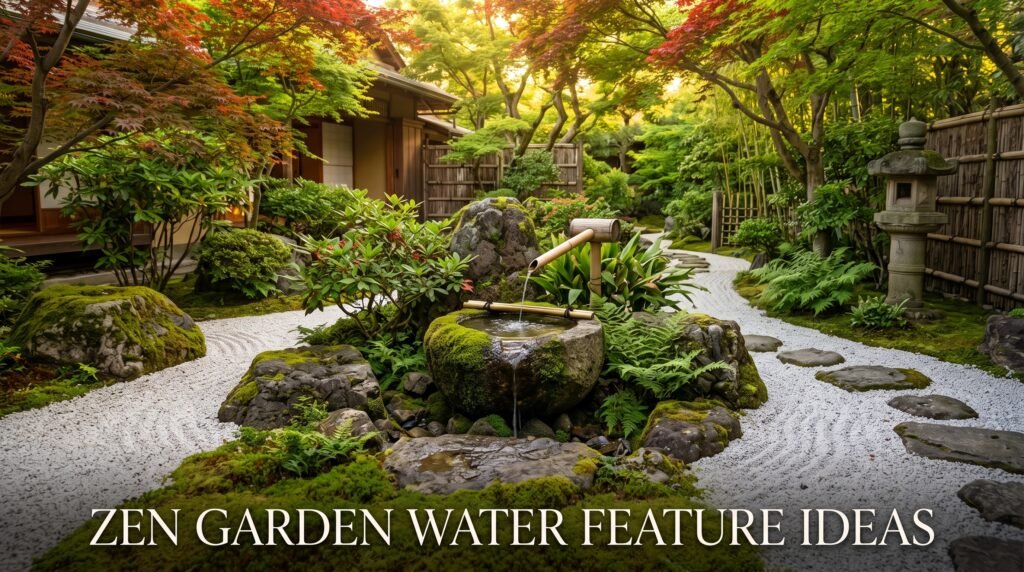
Water is one of the most soothing elements you can introduce into a zen-inspired landscape. While traditional dry gardens symbolize water with raked gravel, many modern zen gardens incorporate real water features to enhance the peaceful atmosphere.
A small stone fountain, a bamboo water spout (shishi-odoshi), or a reflecting pool can create gentle sounds that mask neighborhood noise and encourage relaxation. The key is to keep the design simple and natural rather than elaborate.
Surround the water feature with smooth river stones, moss, and low-growing plants to blend it seamlessly into the landscape. Avoid brightly colored ornaments or large sculptures that distract from the calming effect.
Position a wooden bench nearby so you can enjoy the tranquil sound of flowing water while reading, meditating, or simply taking a quiet break.
Design Tips
- Choose natural stone fountains.
- Keep water movement gentle.
- Add river rocks around the base.
- Pair with bamboo and moss for authenticity.
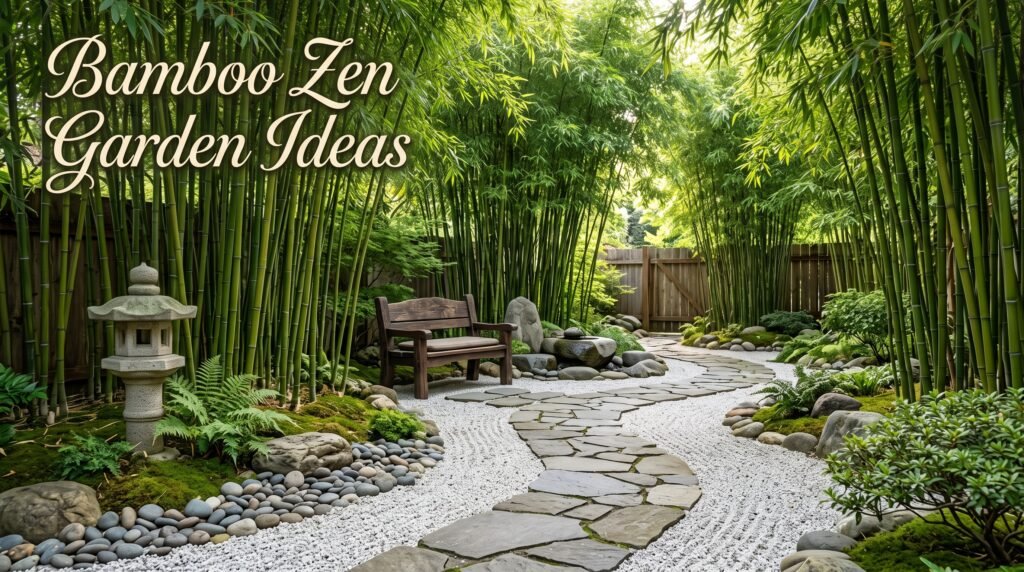
Bamboo is one of the most recognizable features of Japanese-inspired landscapes. Its graceful appearance, soothing movement in the breeze, and gentle rustling sound instantly create a peaceful atmosphere. Whether used as a living privacy screen or decorative accent, bamboo brings both beauty and functionality to a zen garden.
If your climate allows, plant clumping bamboo varieties instead of running bamboo to prevent aggressive spreading. In smaller gardens, bamboo can also be displayed in elegant planters or incorporated into fencing and trellises.
Pair bamboo with white gravel, natural stone pathways, and black river rocks for a timeless combination. Wooden benches and simple lanterns complement the organic look without overwhelming the design.
Because bamboo grows vertically, it makes small gardens feel larger by drawing the eye upward while maintaining a light, airy feel.
Design Tips
- Choose clumping bamboo for easier maintenance.
- Use bamboo fencing for privacy.
- Combine with natural wood and stone.
- Keep surrounding décor simple.
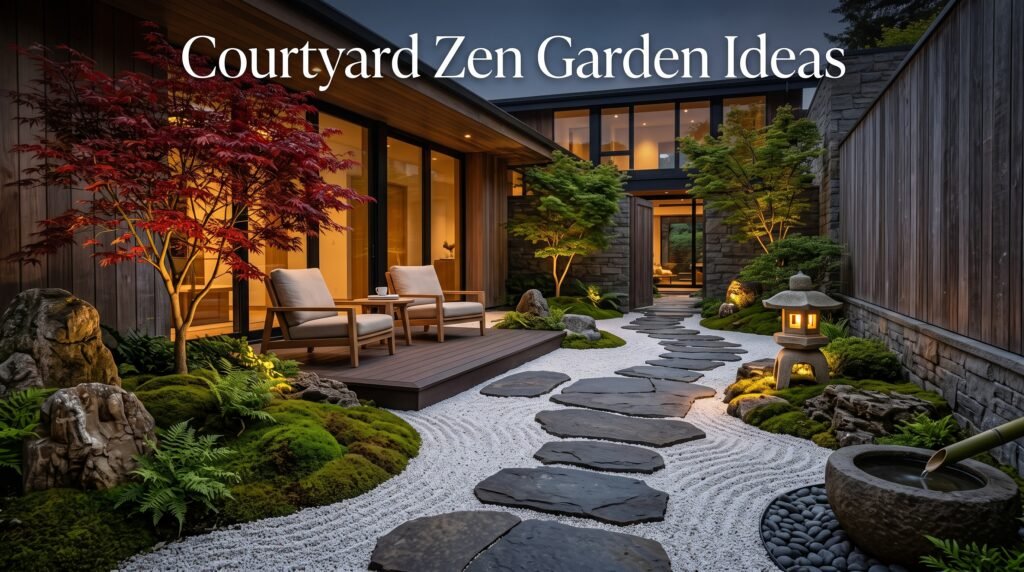
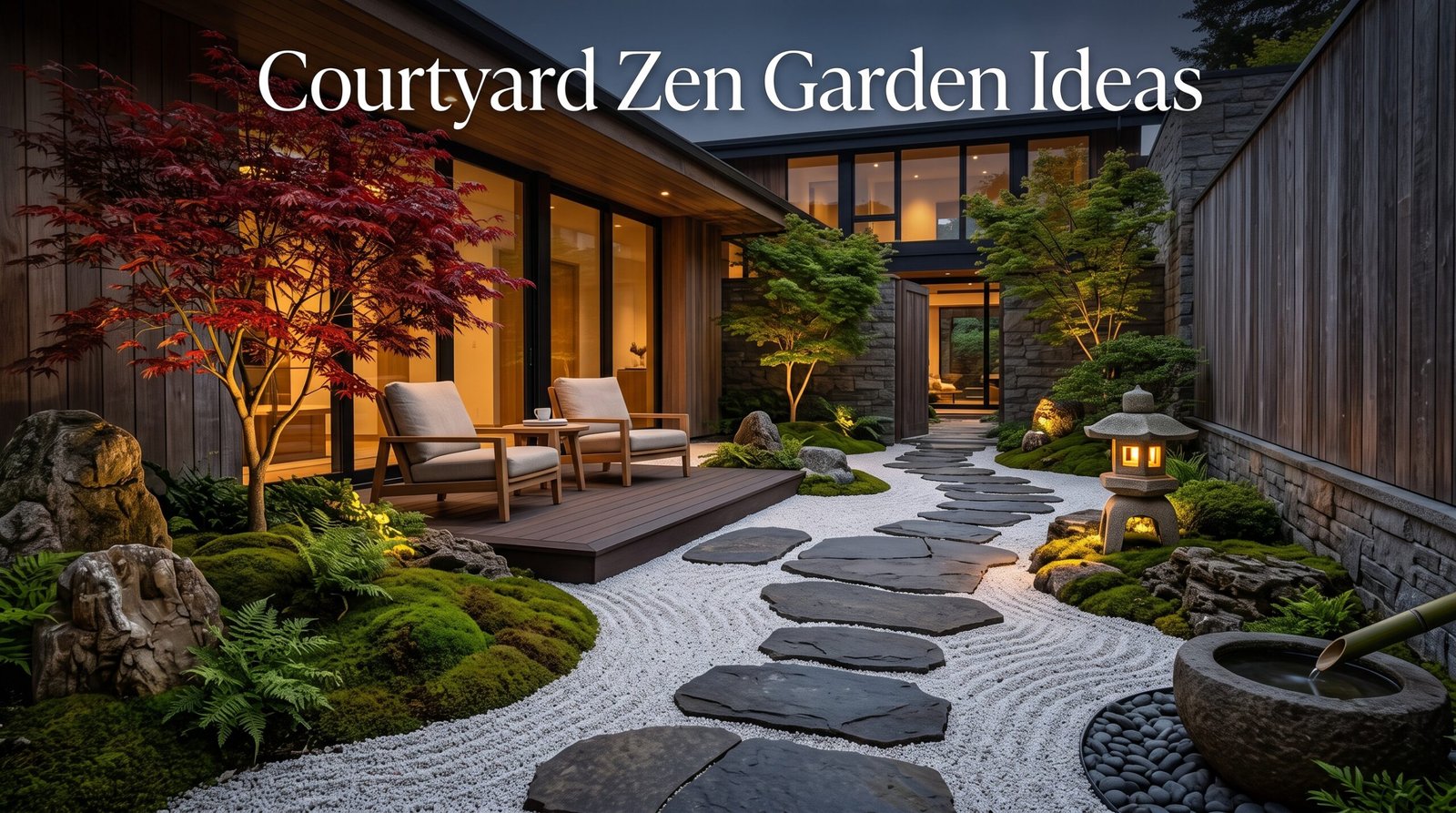
An enclosed courtyard is one of the best locations for creating a private zen retreat. Protected from busy streets and surrounded by walls or fencing, a courtyard naturally feels intimate and peaceful.
Start with a foundation of light-colored gravel or stone pavers, then introduce carefully selected natural elements such as moss, ornamental grasses, sculptural rocks, and a small Japanese maple. Add a comfortable bench or low wooden platform where you can relax and enjoy the space.
Lighting plays an important role in courtyard gardens. Warm LED uplights placed beneath trees or behind rocks create beautiful evening shadows without disrupting the minimalist aesthetic.
For extra serenity, include a compact water basin or stone fountain that provides a gentle, calming sound throughout the day.
Design Tips
- Use soft outdoor lighting.
- Mix gravel with large stepping stones.
- Include one or two statement plants.
- Add seating that blends into the landscape.
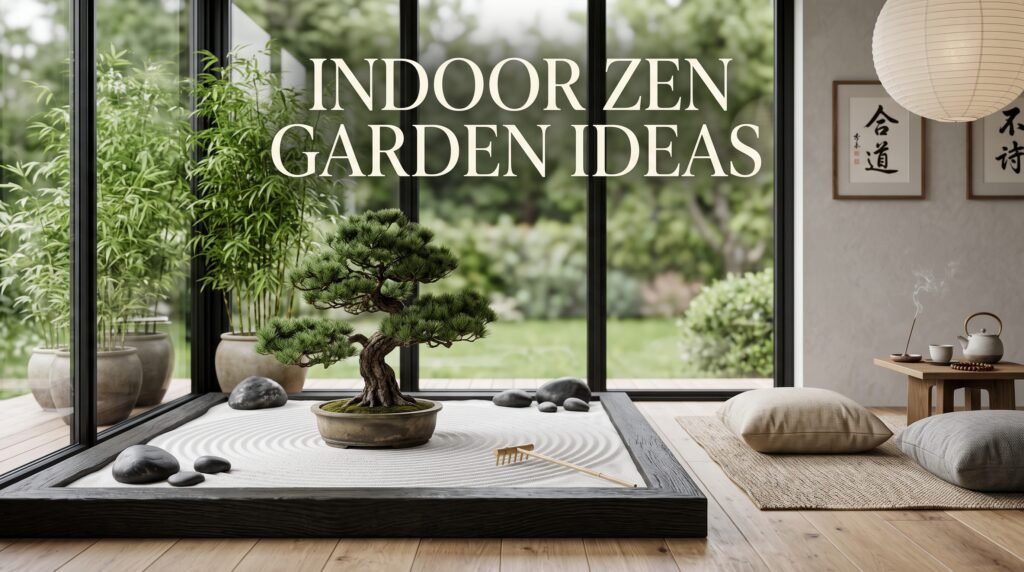
You don’t need an outdoor yard to enjoy the calming effects of a zen garden. An indoor version can bring the same sense of peace into apartments, condos, or homes with limited outdoor space.
Create a dedicated relaxation corner using natural materials such as wood, stone, and woven textures. A shallow tray filled with fine sand, decorative stones, and a miniature rake offers a traditional tabletop zen garden, while larger indoor spaces can feature bonsai trees, bamboo, and smooth river rocks.
Large windows allow natural light to highlight the simple beauty of the space. Neutral colors like white, beige, gray, and soft green reinforce the peaceful mood.
Keep furniture minimal and avoid clutter. Every decorative item should have a purpose, whether functional or symbolic.
Adding soft cushions, linen curtains, and warm wooden shelves can transform an unused corner into your favorite reading or meditation area.
Design Tips
- Maximize natural light.
- Use earthy, neutral colors.
- Display bonsai or bamboo plants.
- Keep decorations intentional and uncluttered.
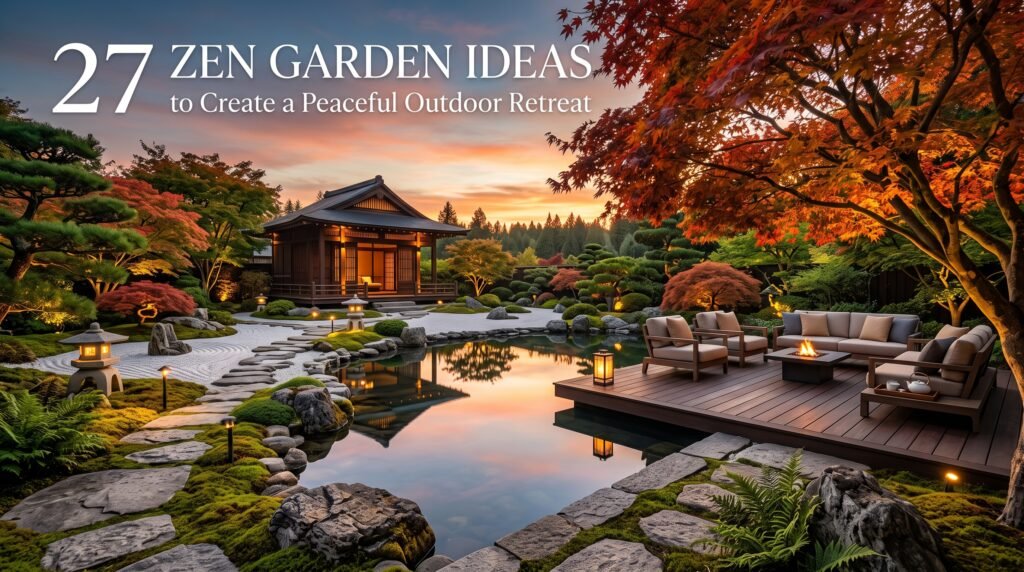
A luxury zen garden combines traditional Japanese principles with high-end materials and modern outdoor living features. The goal is not excess but refinement, where every detail contributes to a harmonious environment.
Large-format natural stone, premium hardwood decking, custom-built seating, and architectural lighting elevate the space while preserving its peaceful character. A reflecting pool, elegant stone lanterns, and mature Japanese maples create striking focal points without making the design feel crowded.
Outdoor lounges with weather-resistant cushions can be positioned to enjoy garden views, while hidden lighting highlights trees, pathways, and water features after sunset.
Luxury zen gardens also emphasize craftsmanship. Precision-cut stone paths, handcrafted wooden pergolas, and carefully maintained plantings create a polished appearance that remains timeless.
Despite the premium finishes, simplicity remains the guiding principle. Instead of filling the garden with decorative accessories, focus on quality materials, clean lines, and thoughtful composition.
Design Tips
- Invest in premium natural materials.
- Use layered outdoor lighting.
- Keep furniture elegant and minimal.
- Prioritize craftsmanship over quantity.
Best Plants for a Zen Garden
Plants in a zen garden should create a sense of calm rather than overwhelming the space with bright colors. Texture, form, and year-round beauty are more important than seasonal blooms.
Japanese Maple
Known for its graceful shape and stunning foliage, the Japanese maple serves as an elegant focal point. Even in smaller gardens, dwarf varieties provide dramatic beauty without taking up too much space.
Bamboo
Bamboo adds movement, height, and privacy while reinforcing the authentic Japanese aesthetic. Choose non-invasive clumping varieties whenever possible.
Moss
Soft green moss creates a peaceful, aged appearance around stones and pathways. It thrives in shaded, moist environments and requires very little maintenance once established.
Ornamental Grasses
Grasses such as Japanese forest grass or fountain grass introduce gentle movement and soften hard landscaping elements like gravel and stone.
Pine Trees
Symbolizing strength and longevity, pine trees are frequently used in traditional Japanese gardens. Their sculptural branches provide year-round structure.
Ferns
Ferns add lush greenery to shaded areas and pair beautifully with rocks, moss, and water features.
Boxwood Shrubs
Neatly shaped boxwoods provide structure while maintaining the clean lines associated with minimalist landscapes.
Ground Covers
Low-growing plants help soften gravel edges and reduce erosion without making the garden appear overgrown.
Essential Elements of a Zen Garden
A successful zen garden isn’t about adding more features—it’s about choosing the right ones.
Natural Stone
Large rocks symbolize mountains and islands while anchoring the overall design.
White Gravel or Sand
Raked gravel represents flowing water and becomes one of the garden’s most recognizable visual elements.
Wooden Elements
Benches, decks, fences, and pergolas introduce warmth while maintaining a natural appearance.
Water Features
Fountains, reflecting pools, and bamboo water spouts create relaxing sounds that encourage mindfulness.
Stone Lanterns
Traditional lanterns provide subtle decoration and beautiful evening ambiance.
Stepping Stones
Stone pathways encourage visitors to slow down and experience the garden intentionally.
Minimal Planting
Choose fewer plants with stronger visual impact rather than filling every space with greenery.
Open Space
One of the defining characteristics of zen design is the intentional use of empty space. Areas without decoration help create balance and tranquility.
Zen Garden Decorating Tips
Creating a zen garden is about more than arranging rocks and plants—it’s about designing a space that encourages peace, balance, and mindfulness. Every detail should contribute to a calm atmosphere rather than compete for attention. Whether you’re starting from scratch or updating an existing landscape, these decorating tips will help you achieve a harmonious design.
Stick to a Neutral Color Palette
Zen gardens are inspired by nature, so earthy tones should dominate the space. Shades of gray, white, beige, brown, and green create a timeless look that feels relaxing in every season.
Instead of bright flowers and colorful decorations, let the natural beauty of stone, wood, gravel, and foliage become the focal points. Neutral colors also make small gardens appear larger and more open.
Use Natural Materials
Natural materials are at the heart of every beautiful zen garden. Wood, stone, bamboo, gravel, and water blend effortlessly with the surrounding environment and age gracefully over time.
Choose weather-resistant hardwood for benches, natural stone for pathways, and bamboo fencing to create texture without making the space feel crowded.
Avoid excessive plastic decorations or shiny finishes that interrupt the peaceful aesthetic.
Create Curved Pathways
Straight walkways often feel formal and hurried, while gently curved paths encourage slower movement and exploration.
Use irregular stepping stones surrounded by gravel or moss to create a more organic appearance. Curved pathways also make even a compact garden feel larger by revealing different views as you walk through the space.
Keep Decorations Minimal
One of the biggest principles of zen design is restraint. Instead of filling every corner with ornaments, choose a few meaningful pieces.
A stone lantern, a wooden bench, or a small water basin is often enough to create visual interest without overwhelming the landscape.
Remember that empty space is an intentional design element. It allows each feature to stand out while creating a sense of calm.
Incorporate Soft Outdoor Lighting
Warm outdoor lighting extends the enjoyment of your zen garden into the evening while highlighting its natural beauty.
Install subtle pathway lights, uplights beneath trees, or hidden LED fixtures behind rocks to create gentle illumination. Avoid harsh floodlights or colorful lighting that distracts from the tranquil atmosphere.
Soft lighting also enhances safety without compromising the minimalist design.
Add Comfortable Seating
A zen garden should invite you to slow down and enjoy your surroundings. A simple wooden bench, stone seat, or low platform provides the perfect place for reading, meditation, or quiet reflection.
Choose furniture with clean lines and natural materials that blend seamlessly into the landscape.
If space allows, position seating where you can enjoy views of the garden’s focal point, whether it’s a rock arrangement, water feature, or Japanese maple.
Common Mistakes to Avoid
Even a beautiful garden can lose its peaceful character if it’s overcrowded or poorly planned. Avoid these common mistakes when designing your zen-inspired landscape.
Adding Too Many Decorations
A zen garden isn’t meant to display every decorative accessory you own. Too many statues, ornaments, or colorful features create visual clutter and reduce the calming effect.
Instead, focus on a few carefully selected elements that complement each other.
Choosing Bright, Busy Colors
Vibrant flowers and colorful garden accessories may work well in cottage gardens, but they often feel out of place in a traditional zen landscape.
Stick with natural tones and let texture become the primary source of visual interest.
Ignoring Balance
Balance doesn’t mean perfect symmetry. Japanese gardens often use asymmetrical layouts that feel natural while maintaining visual harmony.
Place large rocks, plants, and pathways thoughtfully so the garden feels stable without appearing overly formal.
Overplanting
One of the biggest mistakes homeowners make is adding too many plants.
Zen gardens celebrate simplicity, so every plant should have a purpose. Leave plenty of open gravel or stone surfaces to create breathing room within the design.
Neglecting Maintenance
Although zen gardens are relatively low maintenance, they still require regular care.
Rake gravel periodically to maintain crisp patterns, trim plants to preserve clean lines, remove fallen leaves, and keep water features clean.
Consistent maintenance ensures the garden remains peaceful and inviting throughout the year.
Frequently Asked Questions
What is the purpose of a zen garden?
A zen garden is designed to promote relaxation, mindfulness, and harmony with nature. Its minimalist layout encourages quiet reflection while reducing visual distractions.
Can I build a zen garden in a small backyard?
Absolutely. Even a compact patio, balcony, or courtyard can be transformed into a beautiful zen retreat using gravel, stones, bamboo, and a few carefully selected plants.
Are zen gardens expensive?
Not necessarily. A simple zen garden can be created using affordable materials such as gravel, river rocks, stepping stones, and low-maintenance plants. You can always expand the design over time.
What plants work best in a zen garden?
Popular choices include Japanese maple, bamboo, moss, ornamental grasses, pine trees, ferns, boxwood shrubs, and other evergreen plants that provide year-round beauty.
Do zen gardens require a lot of maintenance?
Compared to traditional flower gardens, zen gardens are relatively easy to maintain. Occasional raking, pruning, and cleaning are usually all that’s needed to keep the space looking its best.
Can I include modern elements in a zen garden?
Yes. Modern zen gardens often combine traditional Japanese principles with contemporary materials such as concrete pavers, steel planters, architectural lighting, and sleek outdoor furniture while maintaining a minimalist aesthetic.
Final Thoughts
A thoughtfully designed zen garden is much more than an attractive landscape—it’s a peaceful sanctuary where you can slow down, recharge, and reconnect with nature. By embracing simplicity, natural materials, and intentional design, you can create an outdoor space that feels calm, balanced, and timeless.
Whether you’re working with a spacious backyard, a cozy courtyard, or a small balcony, the principles of zen design can be adapted to suit your space. Focus on quality over quantity, choose natural textures, and allow open areas to play just as important a role as decorative features.
From traditional Japanese rock gardens and bamboo retreats to luxurious modern landscapes with tranquil water features, there are endless ways to personalize your design while staying true to the core philosophy of harmony and mindfulness.
The best zen gardens evolve over time. As plants mature, stones weather naturally, and the landscape settles into its surroundings, the space becomes even more beautiful and meaningful. Start with a simple foundation, refine it gradually, and create a garden that brings peace and inspiration every day.
With these 27 zen garden ideas, you’re ready to transform your outdoor space into a relaxing retreat that reflects both natural beauty and thoughtful design. Whether your goal is quiet meditation, stylish landscaping, or simply enjoying a more serene environment, a zen garden is an investment in both your home and your well-being.