Dry Creek Bed Landscaping Ideas: 25 Beautiful Ways to Transform Your Landscape Naturally
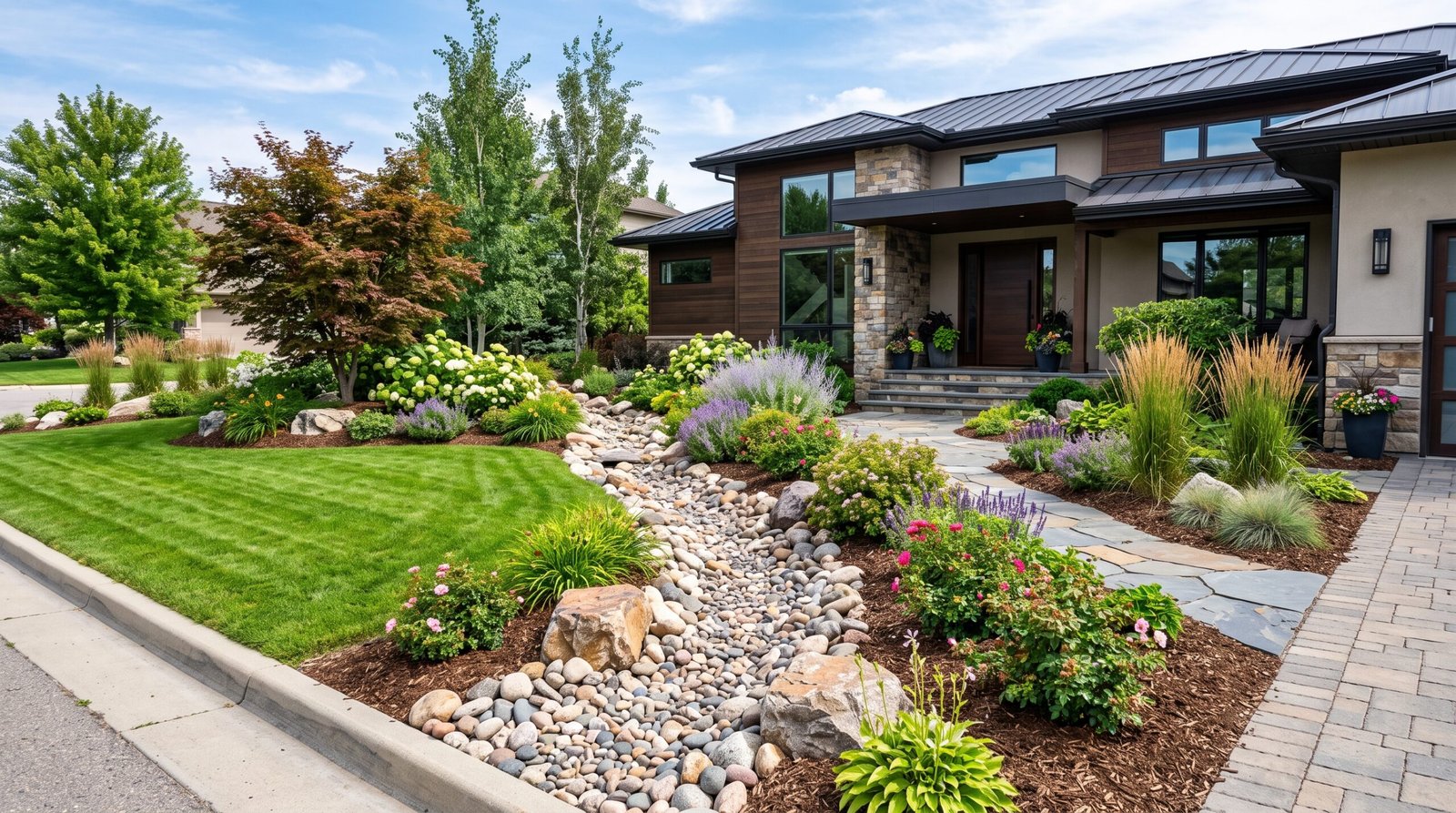
A beautiful yard isn’t just about lush green lawns and colorful flower beds. Today’s homeowners are increasingly choosing dry creek bed landscaping ideas to solve drainage issues while creating a stunning focal point that adds texture, movement, and natural charm. Whether you have a large backyard, a sloped front yard, or a compact side garden, a well-designed dry creek bed can dramatically improve both the appearance and functionality of your outdoor space.
Unlike a traditional water feature, a dry creek bed doesn’t require pumps, electricity, or ongoing maintenance. Instead, it uses carefully arranged river rocks, decorative boulders, gravel, and thoughtfully selected plants to mimic the appearance of a natural stream. During heavy rainfall, it directs excess water away from your home, helping to reduce erosion and standing water. When dry, it becomes an eye-catching landscape element that looks beautiful in every season.
From rustic cottage gardens to sleek modern landscapes, dry creek beds complement almost every home style. They can define pathways, separate garden beds, frame patios, or become the centerpiece of your landscape design. Best of all, they are relatively affordable and can often be installed as a DIY weekend project.
In this guide, you’ll discover 25 inspiring dry creek bed landscaping ideas, along with practical design tips, plant recommendations, and expert advice to help you create a landscape that’s both functional and breathtaking.
Why Choose a Dry Creek Bed?
A dry creek bed is much more than a decorative feature. It serves several practical purposes while enhancing your home’s curb appeal.
Excellent Drainage Solution
One of the biggest reasons homeowners install dry creek beds is to manage excess rainwater. Instead of allowing water to pool in low spots or wash away soil, the creek bed gently channels it toward a safer drainage area.
Reduces Soil Erosion
Heavy rain can quickly erode garden beds and damage lawns. The rocks within a dry creek bed slow water movement, helping to protect your landscape from erosion while preserving healthy soil.
Low Maintenance
Unlike ponds or fountains, dry creek beds don’t require filters, pumps, or chemical treatments. Occasional weeding and repositioning of stones after severe storms are usually all that’s needed.
Adds Year-Round Beauty
Even during dry seasons, a creek bed provides visual interest through contrasting textures, natural stone, and carefully selected plants. In winter, snow or frost settling on the rocks creates a striking landscape feature.
Increases Property Value
Thoughtful landscaping improves curb appeal and can make your property more attractive to potential buyers. A professionally designed dry creek bed signals that the landscape has been carefully planned and maintained.
Planning Your Dry Creek Bed
Before purchasing rocks and plants, spend time planning the layout. A well-designed creek bed looks as though nature created it.
Follow Natural Water Flow
Observe your yard after a heavy rain. Notice where water naturally collects and where it flows. Designing your creek bed along this path creates a realistic appearance while improving drainage.
Use Curves Instead of Straight Lines
Natural streams rarely run in perfectly straight lines. Gentle curves create movement and make the landscape feel larger and more organic.
Choose Multiple Stone Sizes
A realistic creek bed combines different materials, including:
- Large landscape boulders
- Medium river rocks
- Small pebbles
- Decorative gravel
Mixing textures creates depth and makes the creek appear naturally formed.
Add Plenty of Plants
Plants soften the edges of the stone channel and help blend the creek into the surrounding landscape. Ornamental grasses, native shrubs, flowering perennials, and ground covers all work beautifully.
1. Create a Natural River-Inspired Dry Creek Bed
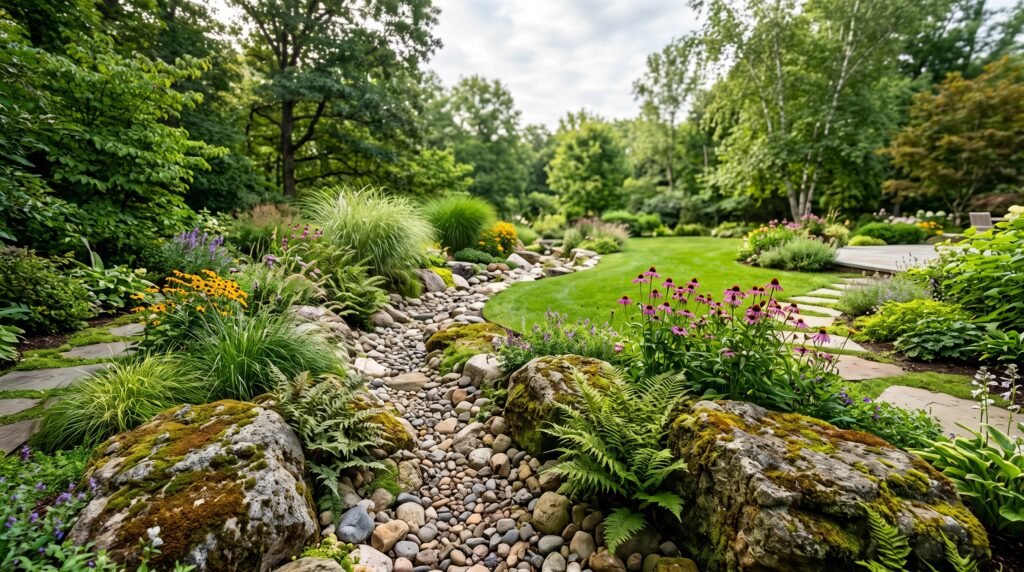
The most timeless design mimics a real mountain stream. Start by shaping a gently winding creek through your landscape, then layer different sizes of rounded river rocks to create a realistic riverbed.
Place the largest boulders along the outer curves where flowing water would naturally deposit heavier stones. Fill the center with medium river rocks and smaller pebbles, allowing the textures to blend naturally.
Complete the look by planting ornamental grasses, ferns, coneflowers, and low-growing ground covers along both sides of the creek. The soft foliage contrasts beautifully with the rugged stone, creating a landscape that looks as though it has existed for decades.
A natural-style creek bed works equally well in front yards, backyards, and woodland gardens, making it one of the most versatile landscaping ideas.
2. Design a Modern Minimalist Dry Creek Bed
Image 2 Placeholder
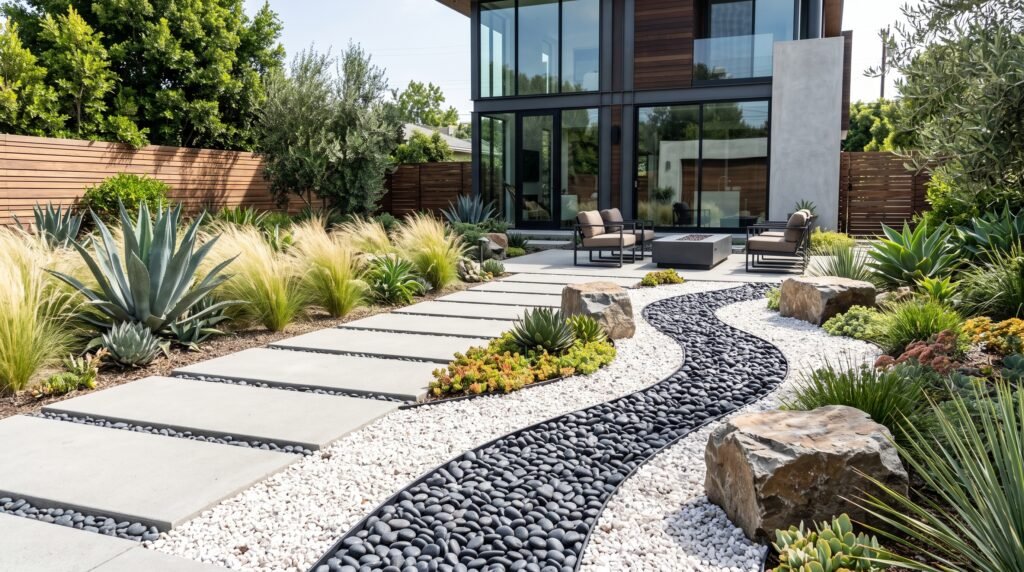
Modern homes benefit from a clean, uncluttered landscape. A minimalist dry creek bed emphasizes strong shapes, limited color palettes, and carefully selected materials.
Choose smooth black river rocks, crisp white gravel, and large angular boulders to create striking visual contrast. Instead of abundant planting, use architectural plants such as agave, yucca, feather reed grass, or boxwood to maintain a refined appearance.
Straight or gently sweeping curves work particularly well in contemporary landscapes, especially when paired with concrete walkways, steel edging, and simple outdoor lighting.
The result is sophisticated, low-maintenance, and perfectly suited to modern architecture.
3. Build a Functional Drainage Creek Bed
Image 3 Placeholder
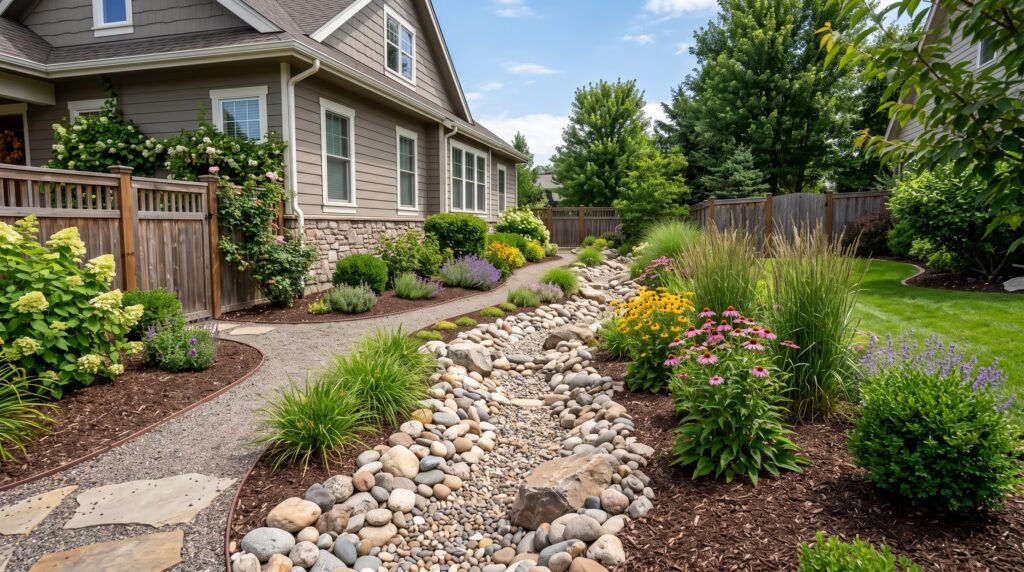
If part of your yard frequently floods after heavy rain, transform the problem into an attractive design feature.
Excavate a shallow channel that follows the natural slope of your property. Line the trench with landscape fabric before adding crushed gravel and decorative river stones. This layered construction improves drainage while preventing weeds from growing through the rocks.
Plant moisture-tolerant grasses and shrubs along the edges to stabilize the soil and create a seamless transition between the creek bed and the rest of your landscape.
Rather than hiding drainage solutions underground, this approach celebrates them as part of the overall garden design.
4. Add a Charming Wooden Bridge
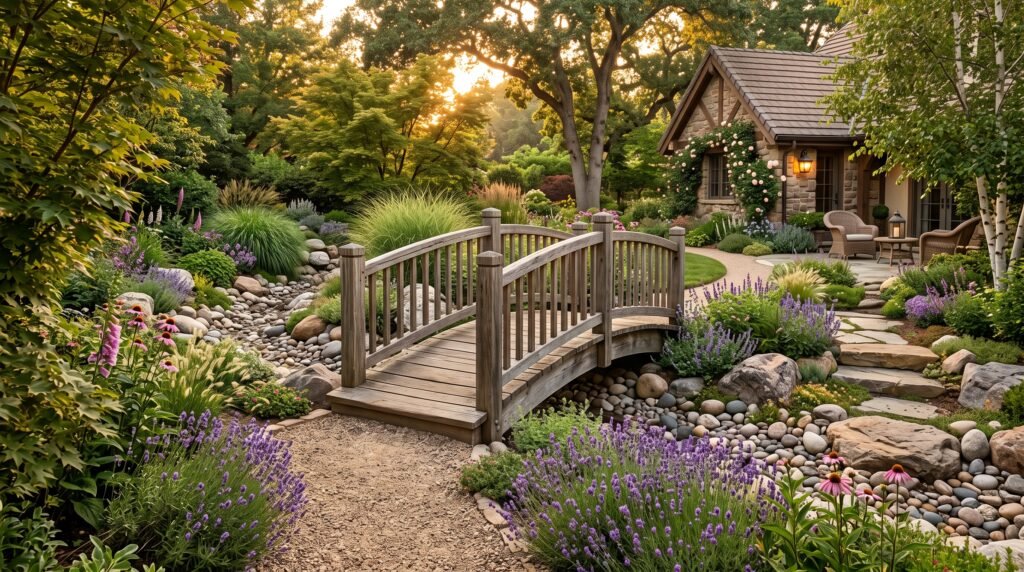
A small wooden bridge instantly elevates the appearance of a dry creek bed. Even if the creek is only a few feet wide, a bridge creates the illusion of crossing a real stream and becomes a beautiful focal point in the landscape.
Choose materials that complement your home’s style:
- Cedar for a rustic garden
- Dark stained wood for a modern landscape
- Natural timber for a woodland setting
You can further enhance the scene by planting ornamental grasses or flowering perennials around both ends of the bridge, making it feel like a destination within your garden.
This idea works especially well in larger backyards where winding pathways connect different outdoor living spaces.
5. Mix Different Stone Sizes for a Natural Appearance
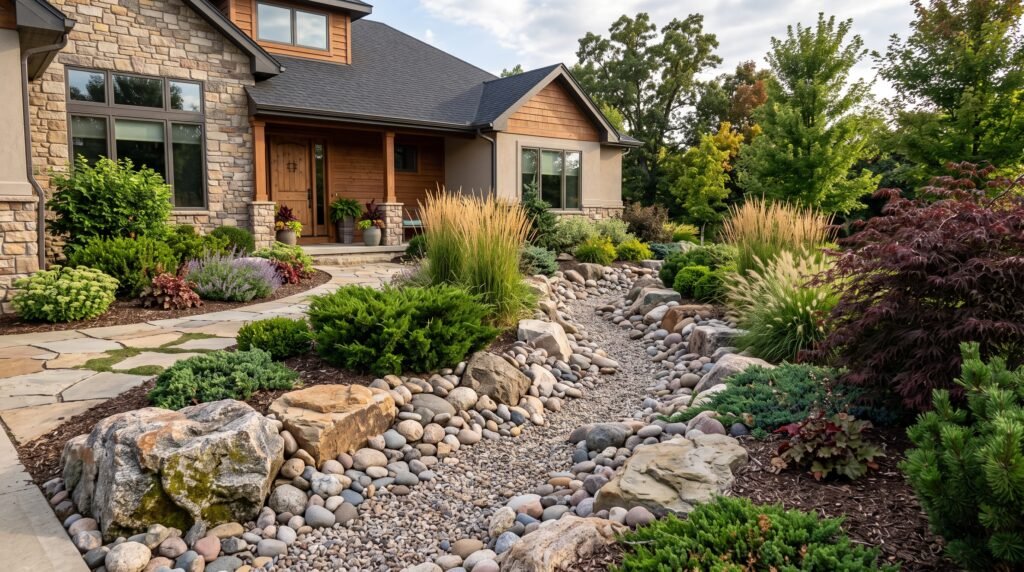
One of the biggest mistakes homeowners make is using rocks that are all the same size. Natural streams contain a mixture of large boulders, medium river stones, and small gravel, all deposited over time by flowing water.
To recreate this effect:
- Place large boulders along the outer bends.
- Scatter medium river rocks throughout the channel.
- Fill empty spaces with smaller pebbles.
- Add crushed gravel to create subtle texture.
Avoid arranging stones in neat rows. Instead, cluster them irregularly so the creek bed looks naturally formed rather than artificially installed.
The variation in size, color, and texture makes the design feel much more authentic.
6. Surround the Creek Bed with Colorful Perennials
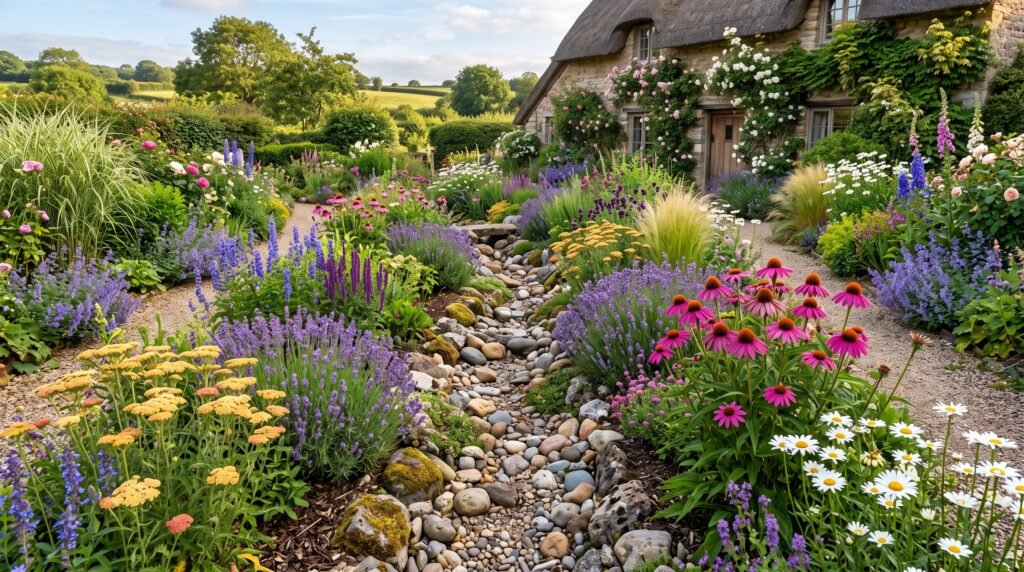
Flowers can completely transform a rocky creek bed into a vibrant landscape feature. Planting colorful perennials along the edges softens the hard textures of stone while providing seasonal interest throughout the year.
Excellent flowering plants include:
- Coneflowers
- Black-eyed Susans
- Salvia
- Coreopsis
- Lavender
- Catmint
- Yarrow
Arrange taller plants toward the back and shorter varieties near the rocks to create depth. Repeating the same plants throughout the landscape gives the design a cohesive, professionally planned appearance.
As the flowers bloom throughout spring and summer, the creek bed becomes a lively centerpiece filled with color, texture, and pollinator activity.
7. Incorporate Ornamental Grasses for Movement
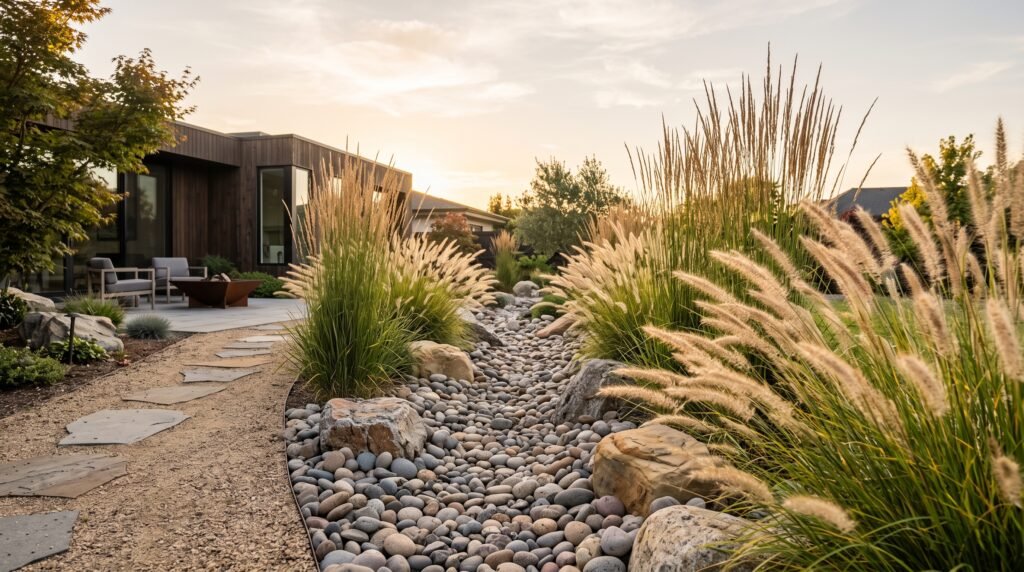
While rocks remain stationary, ornamental grasses introduce gentle movement to the landscape. Their swaying foliage mimics the motion of flowing water, making the creek bed feel dynamic even when completely dry.
Popular choices include:
- Feather Reed Grass
- Fountain Grass
- Little Bluestem
- Blue Oat Grass
- Switchgrass
Mix grasses of varying heights to create natural layers along the creek’s edges. During autumn, many varieties develop warm golden and bronze tones that beautifully complement the surrounding stones.
Because ornamental grasses require relatively little maintenance, they’re an excellent choice for homeowners seeking a landscape that’s both attractive and easy to care for.
8. Create a Front Yard Dry Creek Bed for Maximum Curb Appeal
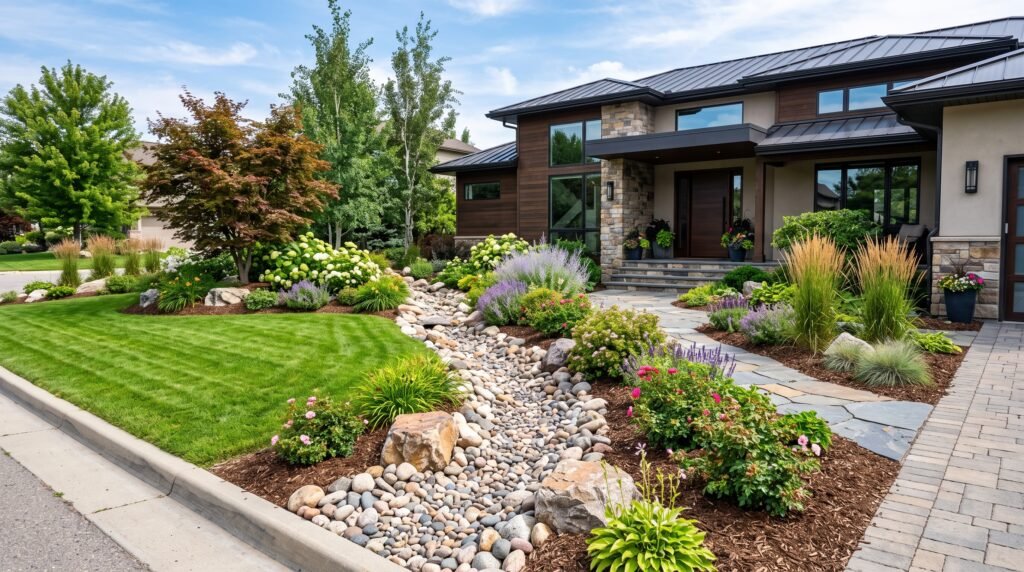
A front-yard dry creek bed is an excellent way to replace ordinary lawn areas with something more distinctive and visually engaging.
Allow the creek to wind naturally from one side of the yard toward the street or a rain garden. Frame it with shrubs, flowering plants, decorative boulders, and mulch to create a polished, layered landscape.
Pair the creek bed with features such as:
- Decorative landscape lighting
- Stone walkways
- Native shrubs
- Low-maintenance ground covers
- Large accent boulders
The combination instantly enhances your home’s curb appeal while helping manage rainwater runoff.
9. Design a Cozy Backyard Seating Area Around the Creek Bed
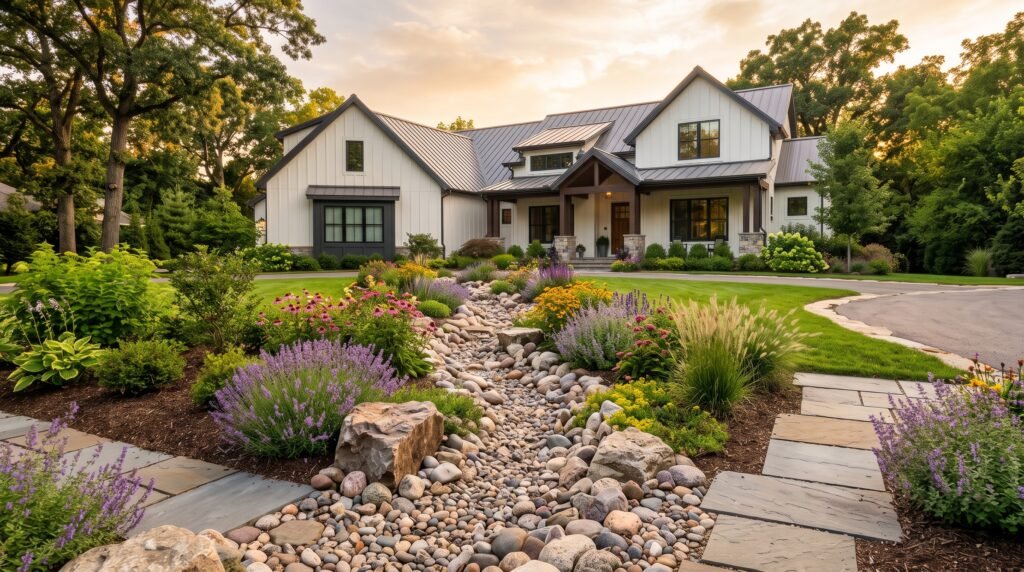
Rather than treating the creek bed as simply a decorative element, make it the centerpiece of an outdoor living area.
Position a seating space nearby using comfortable Adirondack chairs, a wooden bench, or a weather-resistant outdoor sofa. The natural textures of stone, ornamental grasses, and surrounding flowers create a peaceful atmosphere that’s perfect for relaxing or entertaining guests.
Enhance the space with:
- A gravel patio
- Fire pit
- Outdoor lanterns
- Decorative planters
- Wooden pergola
- String lights
By integrating the creek bed into your outdoor living area, you create a landscape that’s both beautiful and highly functional.
10. Illuminate Your Dry Creek Bed with Landscape Lighting
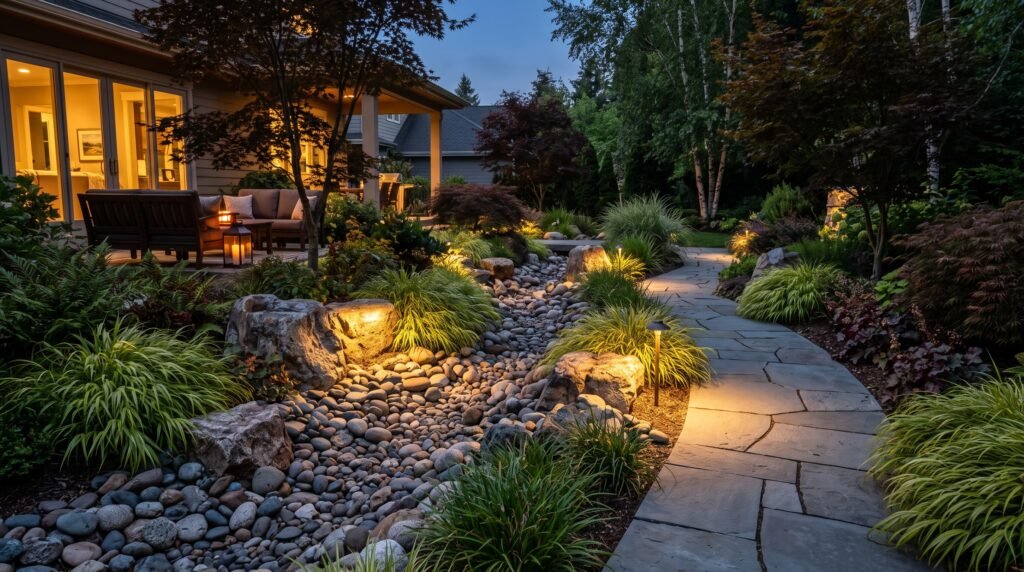
Landscape lighting allows your dry creek bed to remain a stunning focal point long after the sun goes down.
Warm LED lights tucked behind boulders or nestled among ornamental grasses highlight the textures of stone while creating depth and ambiance throughout the garden.
Consider using:
- Solar path lights
- Low-voltage LED uplights
- Recessed rock lights
- Spotlights for specimen plants
- Warm accent lighting beneath a wooden bridge
Lighting not only improves safety along pathways but also dramatically enhances the evening appearance of your landscape, making the creek bed feel inviting and elegant.
Best Plants for a Dry Creek Bed
Choosing the right plants is essential for creating a landscape that looks natural while requiring minimal maintenance. Focus on drought-tolerant species and native plants that thrive in your climate.
Some of the best options include:
Ornamental Grasses
- Blue Fescue
- Feather Reed Grass
- Switchgrass
- Fountain Grass
Flowering Perennials
- Coneflower
- Lavender
- Black-Eyed Susan
- Salvia
- Yarrow
- Coreopsis
Ground Covers
- Creeping Thyme
- Creeping Jenny
- Sedum
- Moss Phlox
Shrubs
- Dwarf Juniper
- Boxwood
- Hydrangea
- Spirea
- Ninebark
Using a combination of evergreen shrubs, flowering perennials, and ornamental grasses ensures your creek bed remains attractive throughout all four seasons.
Common Mistakes to Avoid When Designing a Dry Creek Bed
Even a simple dry creek bed can lose its natural appeal if it’s poorly planned. Avoid these common mistakes to achieve a landscape that looks professionally designed.
1. Making the Creek Too Straight
Natural streams rarely travel in perfectly straight lines. Gentle curves make the creek appear more realistic and help guide the eye through the landscape.
2. Using Only One Type of Stone
A creek filled with identical rocks looks artificial. Combine large boulders, medium river rocks, and small gravel to recreate the layered appearance found in nature.
3. Ignoring Scale
A narrow creek filled with oversized boulders can look unbalanced, while a wide creek with tiny pebbles may lack visual impact. Choose stone sizes that match the width and length of your design.
4. Overcrowding with Plants
Plants should soften the edges rather than cover the rocks completely. Leave enough exposed stone so the creek bed remains the focal point.
5. Forgetting Drainage
If your dry creek bed is intended to direct stormwater, ensure it follows the natural slope of your yard. Water should be able to flow freely without creating new puddles.
6. Placing Boulders on Top of the Soil
Large rocks should appear as though they’ve always been part of the landscape. Partially bury each boulder so it blends naturally with the surrounding ground.
How to Build a DIY Dry Creek Bed
Creating a dry creek bed is a manageable weekend project for many homeowners. Careful planning and quality materials will help you achieve long-lasting results.
Step 1: Plan the Layout
Use a garden hose or rope to outline the creek’s shape. Walk around it from different angles until the curves look natural and balanced.
Step 2: Dig the Channel
Remove grass and excavate a shallow trench, typically 4 to 8 inches deep depending on your design and drainage needs.
Step 3: Install Landscape Fabric
Lay heavy-duty landscape fabric over the soil to reduce weed growth while allowing water to drain through.
Step 4: Add a Gravel Base
Spread crushed gravel across the bottom of the trench to improve stability and drainage.
Step 5: Position Large Boulders
Place the biggest rocks first, focusing on curves and natural gathering points. Partially bury them for a more realistic appearance.
Step 6: Fill with River Rocks
Layer medium river rocks throughout the creek and use smaller pebbles to fill the gaps. Mixing sizes creates depth and texture.
Step 7: Plant Around the Edges
Add ornamental grasses, shrubs, and flowering perennials along the sides of the creek to soften the transition between stone and lawn.
Step 8: Finish with Mulch
Apply mulch around planting beds to help retain moisture, suppress weeds, and create a polished appearance.
Seasonal Maintenance Tips
One of the biggest advantages of a dry creek bed is its low maintenance. A few simple tasks throughout the year will keep it looking its best.
Spring
- Remove fallen leaves and debris.
- Inspect the creek after winter storms.
- Replace displaced stones if necessary.
- Divide and prune perennials.
Summer
- Pull weeds before they become established.
- Water newly planted vegetation during dry periods.
- Trim ornamental grasses if needed.
Autumn
- Clear fallen leaves from the rock channel.
- Refresh mulch around surrounding plants.
- Check that drainage remains unobstructed.
Winter
- Inspect for frost movement or shifted stones.
- Avoid piling shoveled snow directly into the creek if it contains de-icing salts.
Frequently Asked Questions
Do dry creek beds actually improve drainage?
Yes. When designed with the natural slope of your property, a dry creek bed channels rainwater away from problem areas, helping to reduce erosion and standing water.
What rocks work best?
Rounded river rocks are the most popular because they resemble stones naturally shaped by flowing water. Pair them with larger landscape boulders and smaller gravel for the most authentic look.
Can I build one myself?
Absolutely. Many homeowners complete a dry creek bed as a DIY project over a weekend using basic landscaping tools and locally sourced materials.
Which plants grow best around a dry creek bed?
Drought-tolerant ornamental grasses, native shrubs, sedum, lavender, coneflowers, salvia, yarrow, and creeping thyme are all excellent choices.
How much maintenance is required?
Very little. Occasional weeding, seasonal cleanup, and repositioning stones after heavy storms are typically all that’s needed.
Is a dry creek bed suitable for small yards?
Yes. Even a narrow dry creek bed can add texture, improve drainage, and create a striking focal point in compact landscapes.
Final Thoughts
A dry creek bed is one of the most practical and visually appealing upgrades you can make to your landscape. It combines natural beauty with real functionality, helping to manage drainage while creating a feature that looks attractive in every season.
Whether you prefer a rustic woodland garden, a colorful cottage landscape, or a sleek modern design, there are countless ways to personalize a dry creek bed to suit your home’s style. By combining a variety of stone sizes, carefully selected plants, and gently curving lines, you can create a landscape feature that feels as though nature designed it.
The best part is that a dry creek bed requires far less maintenance than many traditional water features while offering year-round texture, depth, and curb appeal. With thoughtful planning and a little creativity, this timeless landscaping element can transform an ordinary yard into an inviting outdoor retreat that you’ll enjoy for years to come.