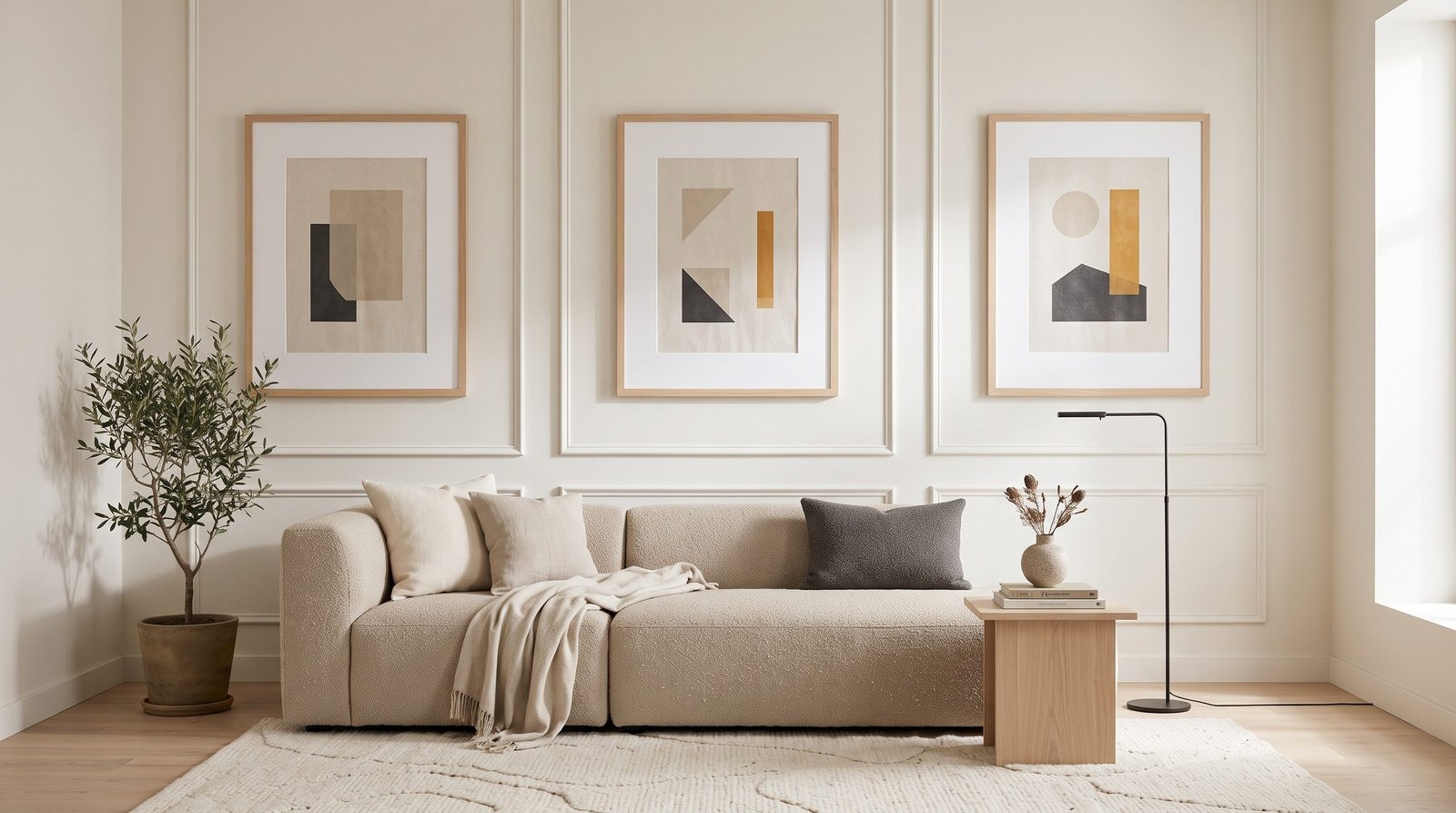
21 Decorative Room Molding Ideas to Elevate Your Home’s Interior
Decorative room molding is one of the most timeless ways to make a home feel elegant, polished, and thoughtfully designed. From classic picture-frame molding in a living room to modern geometric wall panels in a bedroom, the right molding can transform plain walls into beautiful architectural features without requiring a complete renovation.
The best part is that decorative molding works with many interior styles. Whether you love warm minimalist spaces, modern organic interiors, traditional European elegance, or contemporary luxury, you can find a molding design that complements your home. Painted trim can add subtle texture, contrasting colors can create a dramatic focal point, and carefully planned wall frames can make an ordinary room feel custom-designed.
In this guide, you’ll discover 21 decorative room molding ideas, along with practical tips for choosing styles, colors, materials, and placements that make your interior look beautiful without overwhelming the space.
1. Classic Picture-Frame Wall Molding
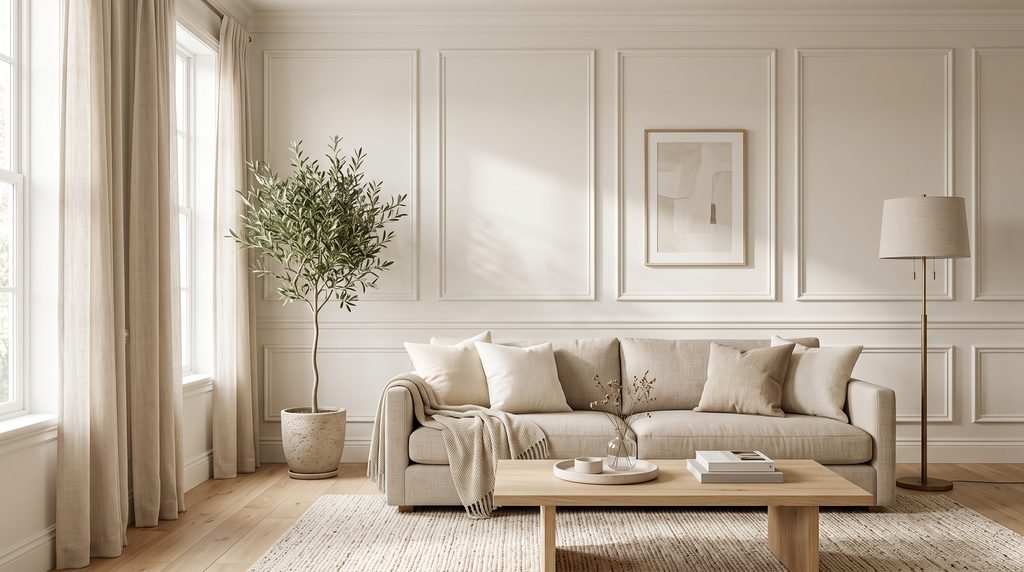
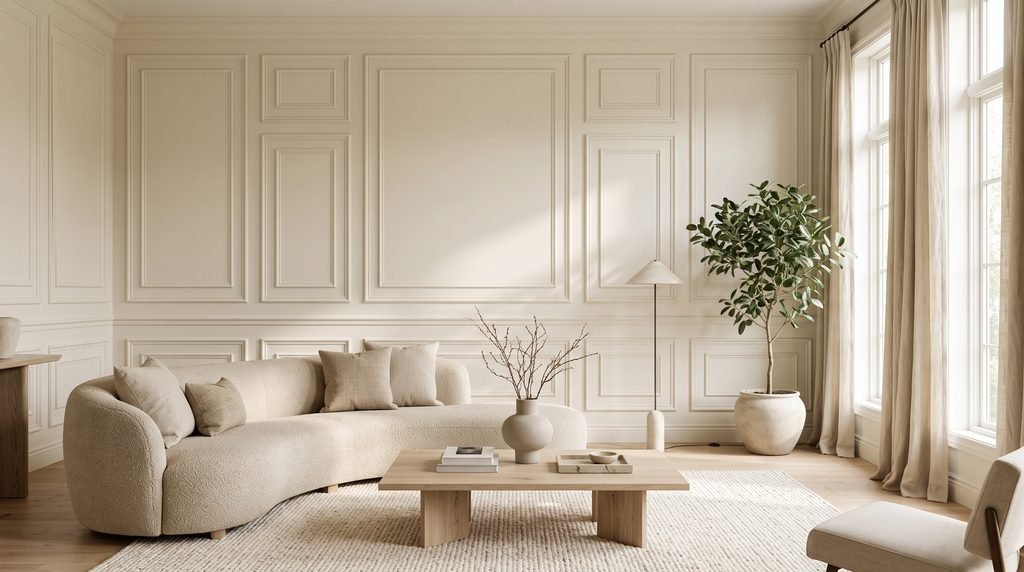
Picture-frame molding is a timeless choice for homeowners who want to add architectural character to plain walls. It uses slim strips of molding arranged into rectangular frames, creating a refined decorative pattern that looks especially beautiful in living rooms, dining rooms, and formal sitting areas.
For a sophisticated appearance, choose molding that matches the wall color. White molding on warm white walls creates subtle shadows and depth without making the room feel busy. If you prefer a slightly richer look, use creamy ivory, soft taupe, or a muted greige shade.
The proportions of the frames are important. Wider walls can accommodate larger rectangles, while narrow walls often look better with fewer, taller panels. Keep the spacing between frames consistent so the entire arrangement feels balanced.
Pair picture-frame molding with a simple sofa, linen curtains, warm wood furniture, and understated artwork. These elements allow the architectural detail to stand out naturally.
Best for: Living rooms, dining rooms, bedrooms, and elegant entryways.
2. Floor-to-Ceiling Wall Panel Molding
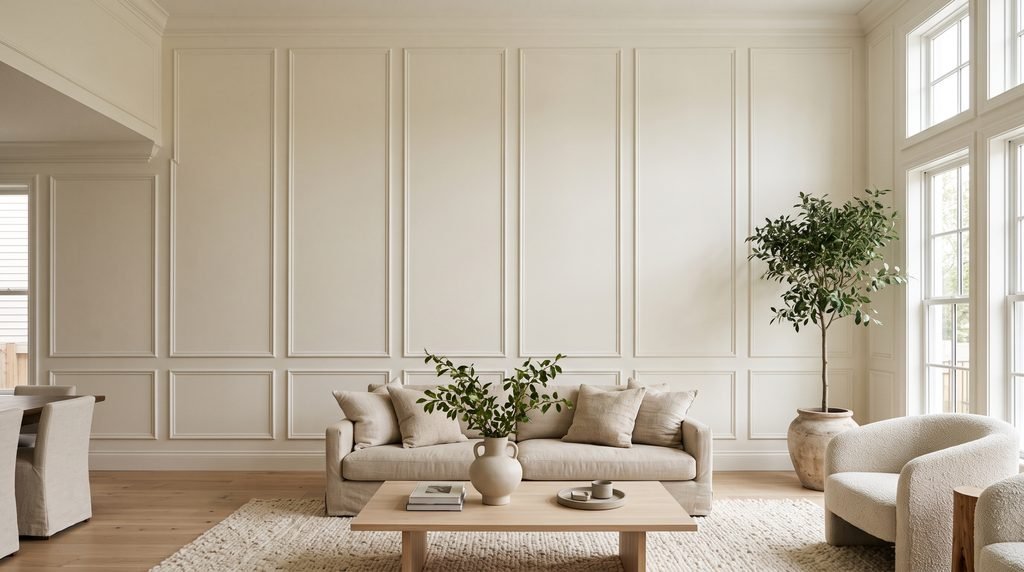
Floor-to-ceiling molding creates a more dramatic architectural effect by extending decorative panels across the full height of a wall. Unlike traditional half-wall designs, this approach draws the eye upward and can make a room feel taller and more cohesive.
This style works particularly well behind a sofa, along a large empty wall, or in a bedroom where the wall needs a stronger visual presence. Large panels tend to look contemporary, while smaller repeating rectangles create a more traditional atmosphere.
For a modern home, choose simple molding profiles and paint the entire wall one color. Soft white, warm beige, pale greige, and muted sage are versatile choices that complement natural materials.
Before installing the panels, measure the wall and plan the layout around doors, windows, electrical outlets, and existing furniture. A balanced design is more important than adding as many panels as possible.
Styling tip: Use a large piece of artwork or a carefully arranged pair of wall lights to complement the paneling without overcrowding it.
3. Modern Minimalist Wall Molding
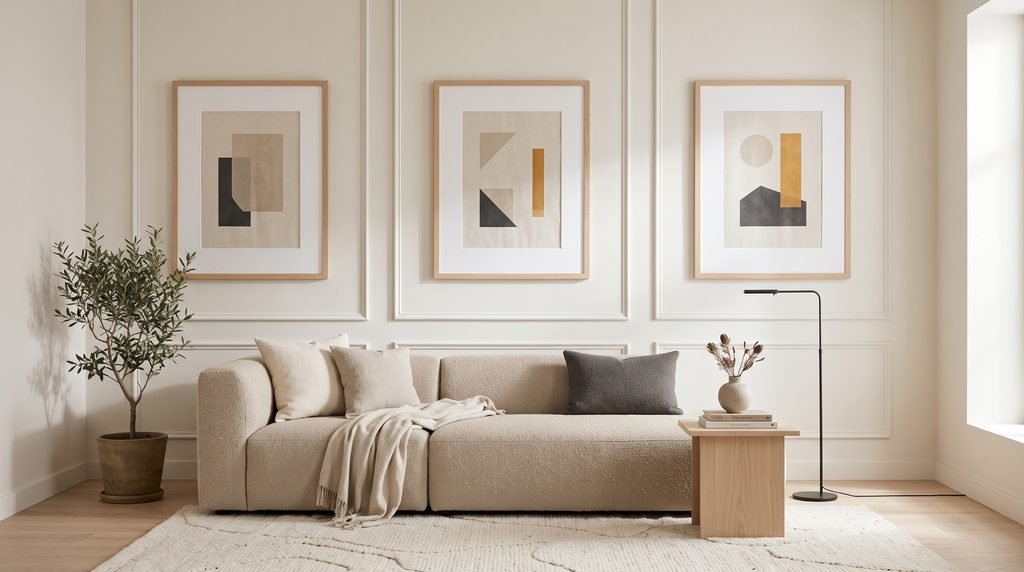
Decorative molding does not need elaborate curves or ornate details to look beautiful. Modern minimalist molding uses thin profiles, clean lines, and generous spacing to create a subtle architectural feature.
This is an excellent choice for contemporary homes where simplicity is important. Instead of filling a wall with numerous small frames, create two or three large rectangles with narrow molding strips. Keep the color palette restrained and avoid unnecessary decorative accessories.
Minimalist molding looks particularly effective in open-plan living rooms, modern bedrooms, and small apartments. Because the detail is subtle, it can add visual interest without making the space feel cluttered.
You can also combine this style with concealed lighting, smooth plaster walls, pale oak furniture, and soft-textured upholstery. The result is a refined interior that feels carefully designed rather than overly decorated.
Best for: Contemporary, Scandinavian, minimalist, and organic-modern interiors.
4. Decorative Molding With a Two-Tone Color Scheme
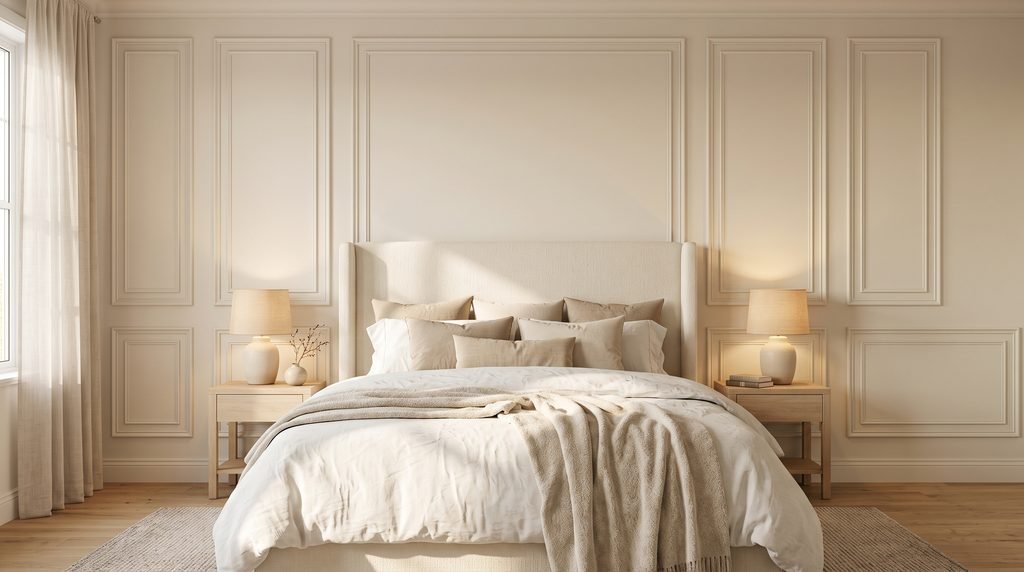
Two-tone molding is a creative way to introduce color while maintaining an elegant interior. This design combines two complementary shades, often using a darker color on the paneled section and a lighter color above it.
For example, muted sage green below and warm ivory above create a calm, nature-inspired atmosphere. Dusty blue with soft white feels classic, while taupe and cream produce a warm, understated look.
You can use this technique to visually divide a wall without installing a physical partition. It works particularly well in dining rooms, hallways, bedrooms, and living rooms where a little contrast adds personality.
For the most cohesive result, coordinate the molding color with nearby furniture, curtains, or upholstery. The colors do not need to match exactly; they simply need to complement one another.
Practical tip: Test paint samples under morning and evening lighting before committing to the full wall. Natural and artificial light can change how a color appears.
5. Elegant Bedroom Headboard Wall Molding
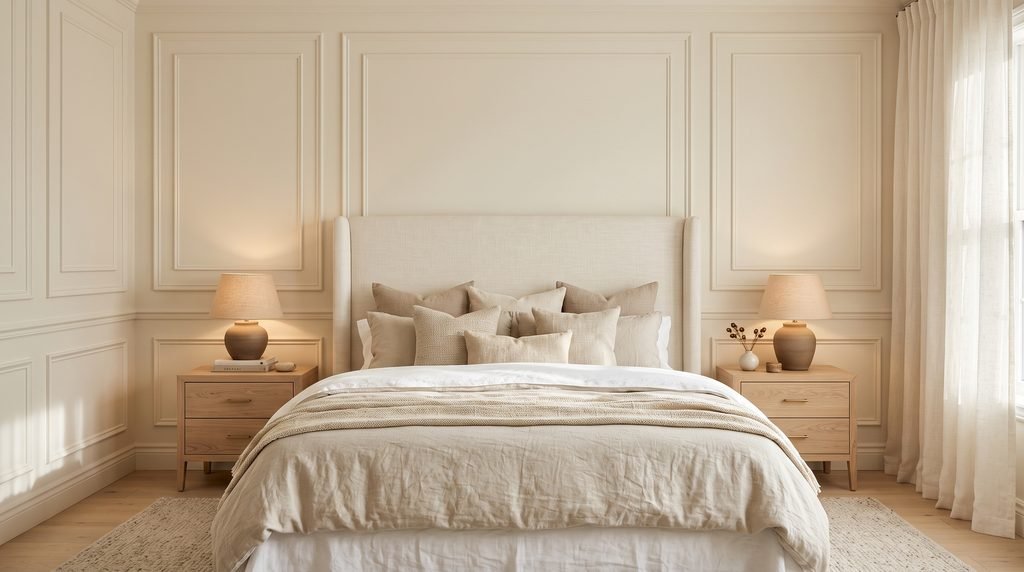
A bedroom is an ideal place to use decorative molding because the wall behind the bed naturally becomes the room’s focal point. Instead of relying entirely on wallpaper or expensive wall coverings, frame the headboard with carefully proportioned molding.
One option is to create a large central panel behind the bed, with narrower panels on either side. Another approach is to extend matching rectangles across the entire wall for a more architectural appearance.
For a peaceful atmosphere, paint the molding and wall in the same shade. Warm white, creamy beige, and soft mushroom tones work beautifully with upholstered headboards, cotton bedding, and natural wood nightstands.
If your bed has a tall headboard, plan the molding so that the panels frame it rather than disappear behind it. Consider the height of bedside lamps and wall-mounted lighting when deciding where the frames should begin and end.
Avoid overly complicated patterns in a small bedroom. A simple arrangement usually feels more restful and is easier to coordinate with bedding and artwork.
6. Dining Room Molding for a Refined Atmosphere
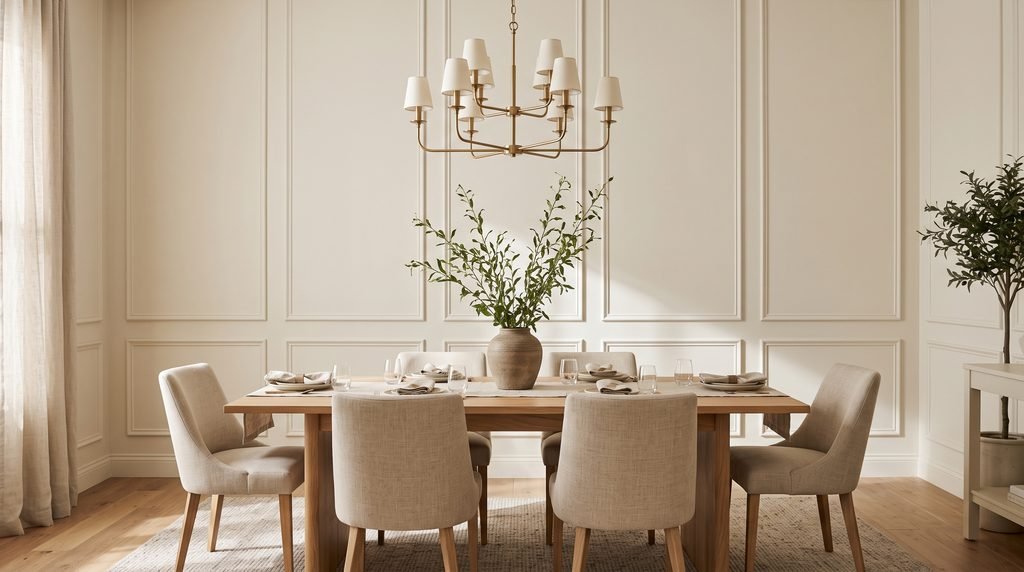
Decorative molding can give a dining room the polished character of a traditional European interior while still working in a modern home. Picture-frame panels, tall rectangular frames, and simple chair-rail molding are all attractive options.
For a formal dining room, consider symmetrical panels along the longest wall. In a contemporary space, use larger frames with slim profiles and a consistent wall color. A warm neutral palette will help the room feel welcoming rather than overly formal.
Molding can also provide a backdrop for a dining table, pendant light, or artwork. When planning the layout, center the main panels around the dining arrangement whenever possible.
If you want a little more personality, paint the paneled wall in muted olive, deep blue, or warm taupe. These shades can create a sophisticated setting when paired with natural wood, linen upholstery, and restrained metallic accents.
Keep decorative accessories simple. A vase of seasonal branches, a linen table runner, and understated tableware are often enough to complete the look.
7. Half-Wall Molding for a Classic Interior
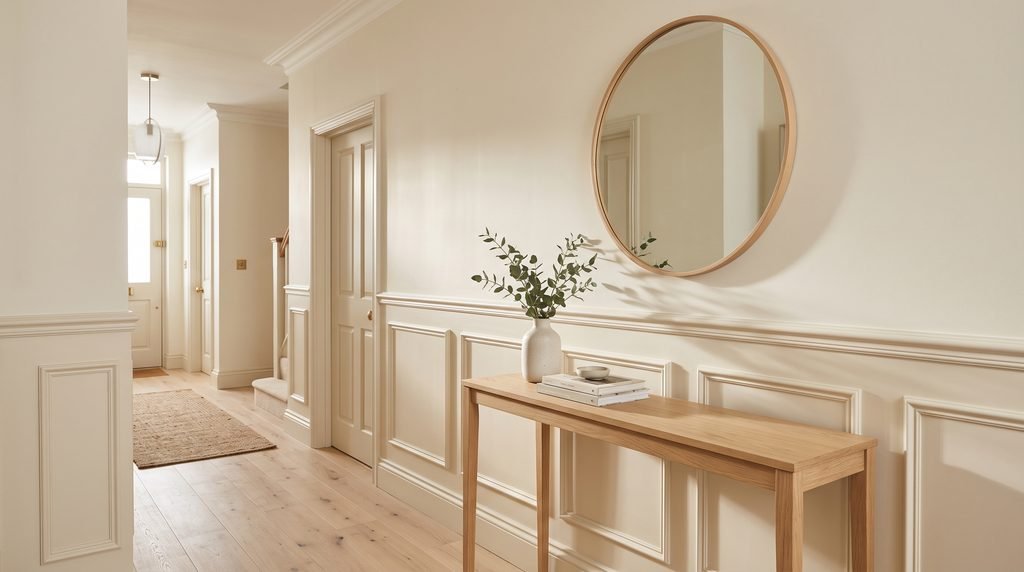
Half-wall molding adds character to the lower portion of a wall while leaving the upper section relatively simple. It is often associated with traditional interiors, but a clean profile and contemporary color can make it feel fresh.
The lower panels can be installed at a height that relates to the room’s furniture and proportions. A chair rail may separate the paneled section from the painted wall above, although a seamless transition can also work for a more modern appearance.
This treatment is especially useful in hallways, stair areas, dining rooms, and entryways. It adds visual structure to long walls and can make a plain passage feel more intentional.
Consider painting the lower panels a slightly deeper shade than the upper wall. Alternatively, use the same color throughout for subtle texture and depth.
Remember that decorative molding is not a substitute for durable wall protection. If you are installing it in a high-traffic area, select an appropriate finish and material that can withstand regular cleaning.
8. Geometric Molding for Contemporary Walls
Geometric molding introduces a more artistic approach to wall decoration. Instead of repeating traditional rectangles, you can arrange straight molding strips into asymmetrical grids, elongated shapes, or carefully balanced linear patterns.
This style is well suited to modern apartments and contemporary living rooms where a feature wall can add personality without requiring bold wallpaper.
The key is to keep the pattern intentional. Start by sketching the design on paper, then mark the proposed lines on the wall with removable tape. This helps you see whether the shapes work with the furniture and surrounding architecture.
A single-color finish usually makes geometric molding look more sophisticated. Try warm white, sandy beige, charcoal, or muted olive, depending on the atmosphere you want to create.
Because the pattern itself provides visual interest, avoid placing too many small decorative objects in front of it. A simple sofa, a sculptural floor lamp, and one carefully selected artwork can be enough.
9. Molding Around a Fireplace
A fireplace wall can become a beautiful architectural focal point when decorative molding is used to frame the surrounding space. Slim rectangular panels on either side of the fireplace can create symmetry, while a larger central panel can visually connect the mantel and upper wall.
For a classic interior, use traditional profiles with a painted mantel and coordinated trim. For a modern home, choose simple linear molding and a restrained palette.
If the fireplace is the main feature of the room, avoid competing with it through excessive paneling or oversized artwork. The design should emphasize the fireplace, not obscure it.
Always follow the fireplace manufacturer’s clearance requirements and applicable local building and fire-safety rules. Decorative molding, paint, and other combustible finishes must be kept at the required distance from heat sources.
10. Ceiling-Height Molding for a Taller-Looking Room
Extending vertical wall frames close to the ceiling can emphasize a room’s height. Tall, narrow panels draw the eye upward and work particularly well in older homes, apartments with high ceilings, and formal living areas.
Use a small number of well-proportioned panels rather than squeezing many narrow frames into the wall. Keep the upper edge aligned consistently, and consider how the design meets the baseboards and ceiling trim.
For a modern effect, use simple profiles in the same color as the wall. If your room already has ornate ceiling details, a quieter molding pattern can help balance the architecture.
11. Decorative Molding for a Small Living Room
Molding can look beautiful in a compact living room when the design is scaled to the available wall space. Large, simple frames often work better than many small panels because they reduce visual clutter.
Choose a light, warm paint color and use matching molding for a seamless appearance. This creates depth through shadows without introducing too many competing lines.
Before installing molding behind a sofa, measure the furniture and decide where each panel should sit. Frames that disappear awkwardly behind furniture or collide with shelves can make the room look unbalanced.
If you want a more dramatic look in a small space, a single accent wall can be more effective than treating every wall.
12. Traditional Molding With Ornate Details
Traditional molding is ideal for homeowners who appreciate timeless interiors and intricate architectural details. It often features decorative profiles, layered trim, and carefully arranged rectangular panels.
This style works particularly well in formal sitting rooms, elegant dining rooms, and older homes with existing architectural character. Pair it with warm white walls, antique-inspired furniture, natural stone, or rich wood finishes.
To avoid making the space feel dated, balance ornate molding with contemporary furnishings and uncluttered styling. A traditional wall treatment can look remarkably fresh when the rest of the room is simple.
13. Dark Accent Wall Molding
Dark molding creates a striking focal point and adds depth to a room. Deep olive, charcoal, navy, and chocolate brown are attractive options for homeowners who want a richer, more dramatic interior.
For a sophisticated result, paint both the wall and molding in the same dark color. This allows the shadows and raised profiles to provide the contrast instead of relying on different paint shades.
Use this approach behind a bed, behind a living room sofa, or on a dining room feature wall. Balance the darker surface with lighter upholstery, warm lighting, and natural materials so the room remains inviting.
In smaller rooms, good lighting becomes especially important. Test the color at different times of day before painting an entire wall.
14. Molding Around Doors and Windows
Door and window molding can make ordinary architectural openings feel more finished. Wider trim creates a substantial, traditional look, while narrow, flat profiles suit minimalist interiors.
You can coordinate door casings with wall panel molding to create a unified design throughout a home. For example, rectangular panels along a hallway wall can align with the surrounding door trim, creating a thoughtful visual rhythm.
When choosing a profile, consider the size of the opening, the height of the ceiling, and the style of the existing baseboards. Consistency helps the entire room feel intentional.
If you are updating an older home, preserving existing trim details may be more attractive than replacing every profile with something new.
15. Molding With Wallpaper Inserts
Combining molding with wallpaper creates a decorative feature that offers both structure and pattern. The molding frames each wallpaper section, giving the wall a custom, almost gallery-like appearance.
Floral prints, delicate botanical patterns, textured neutrals, and subtle geometric designs are all worth considering. For a timeless result, choose wallpaper colors that coordinate with the surrounding paint and furniture.
This technique works well behind a bed, in a dining room, or along a hallway. You can use wallpaper in every panel for a cohesive design or reserve it for a single central frame.
Careful measurement is essential. Plan the frames first, then calculate the wallpaper needed for each inset so the pattern aligns attractively across the wall.
16. Molding in a Home Office
A home office can benefit from decorative molding because it creates a professional backdrop without requiring excessive decoration. Simple wall frames behind a desk can add depth to video-call backgrounds and make the workspace feel more finished.
Choose a restrained design with wide spacing. Warm white, light taupe, muted sage, and soft gray can all work well, depending on the furniture and available daylight.
If you plan to install shelving, artwork, or wall-mounted equipment, incorporate these elements into the layout before fitting the molding. This helps avoid awkward overlaps and keeps the design practical.
A comfortable desk, an ergonomic chair, good task lighting, and organized storage should remain the main priorities. Molding is the finishing touch rather than a substitute for a functional workspace.
17. Molding With Integrated Wall Lighting
Wall molding can be paired with sconces to create a layered lighting scheme. The frames provide architectural structure, while the lighting adds warmth and emphasizes the wall’s depth.
This combination works especially well in bedrooms, hallways, living rooms, and formal dining areas. Symmetrical sconces positioned between panels can create a balanced, traditional appearance; simpler fixtures suit contemporary interiors.
Plan electrical wiring and fixture positions before installing the molding. The panel layout should accommodate the lights rather than forcing the fixtures into awkward spaces.
Use warm-white lighting for a cozy atmosphere, and avoid excessive brightness if you want the wall to feel calm and inviting.
18. Painted Molding in Soft Sage Green
Soft sage green offers a gentle alternative to white molding. It brings a natural, calming quality to interiors while adding more personality than a conventional neutral palette.
You can paint the wall and molding in the same sage shade for a seamless effect, or combine sage panels with a warm ivory upper wall. Both approaches complement pale wood, cream upholstery, linen curtains, and greenery.
Sage is particularly attractive in bedrooms, reading corners, dining rooms, and relaxed living spaces. Choose a muted shade rather than an overly saturated green if you want a timeless appearance.
Before painting, test the color against your flooring and furnishings. Green can appear grayer, warmer, or more yellow depending on the light and nearby materials.
19. Molding for an Elegant Entryway
An entryway is often the first interior space visitors see, making it a natural place to introduce decorative molding. Even a modest hallway can feel more refined with a few well-proportioned wall panels.
Pair the molding with a slim console table, a mirror, a small table lamp, or a simple vase. Keep the floor area clear so the entryway remains easy to navigate.
For narrow hallways, light paint and uncomplicated panels usually work best. In a larger foyer, taller frames or a more traditional profile can create a grander impression.
Pay attention to the relationship between molding, door trim, and baseboards. When these details coordinate, the entrance feels cohesive instead of decorated in separate pieces.
20. Budget-Friendly DIY Wall Molding
You do not need an extensive renovation budget to introduce decorative molding. Simple DIY paneling can be created with lightweight trim, careful measuring, suitable adhesive or fasteners, and paint.
Start by choosing a straightforward pattern with a manageable number of rectangular frames. Measure the wall, account for consistent spacing, and mark the layout with painter’s tape before cutting any materials.
For the best finish, ensure the wall surface is clean and suitable for installation. Fill gaps and nail holes with an appropriate filler, sand as needed, and caulk the edges where required before painting.
Material choice matters. MDF can provide a smooth painted finish in appropriate indoor conditions, while wood trim may be preferable for certain applications. In humid areas, choose materials specifically rated for the environment.
If the wall contains wiring or plumbing, take care before drilling or fastening anything. For complicated layouts, uneven walls, or electrical work, professional assistance may be worthwhile.
21. Seamless Same-Color Molding for a Luxury Look
One of the most elegant ways to use molding is to paint the entire wall treatment in a single color. The wall, panels, and trim blend together, allowing light and shadow to reveal the design.
This technique suits both modern and traditional interiors. In a contemporary room, use thin profiles and large panels. In a classic interior, choose slightly more detailed molding while keeping the overall color consistent.
Warm white, ivory, beige, mushroom, and muted gray are versatile options. Coordinate the finish with the rest of the room, and consider using different paint sheens only where they are appropriate for the material and desired effect.
The secret to a luxury appearance is precision. Straight lines, balanced proportions, neatly finished joints, and a smooth paint finish will usually matter more than the price of the molding itself.
How to Choose the Right Decorative Room Molding
Before selecting a molding design, consider the room’s size, ceiling height, architectural style, and the amount of visual detail you want to introduce.
- For small rooms: Choose thin profiles, larger panels, and colors close to the existing wall shade.
- For high ceilings: Taller panels and more substantial trim can complement the room’s proportions.
- For modern homes: Simple rectangular frames and clean geometric lines create a contemporary appearance.
- For traditional interiors: Layered profiles, symmetrical panels, and classic chair rails provide timeless character.
- For a luxurious finish: Focus on balanced spacing, coordinated paint, refined lighting, and carefully finished joints.
Which Materials Work Best?
The right material depends on your budget, the room’s conditions, and the finish you want.
| Material | Best use | Main consideration |
|---|---|---|
| MDF | Painted indoor molding | Keep standard MDF away from moisture unless it is specifically moisture-resistant. |
| Solid wood | Traditional or premium interiors | Can be stained or painted, but may expand or contract with changing humidity. |
| Polystyrene or polyurethane | Lightweight decorative profiles | Check paint compatibility and product suitability before installation. |
| Flexible molding | Curved walls and arches | Confirm that the product can achieve the required curve and finish. |
Common Molding Mistakes to Avoid
- Using too many small panels: Excessive framing can make a wall feel crowded. Start with a simple layout and add detail only when needed.
- Ignoring furniture placement: Plan the molding around sofas, beds, consoles, and artwork so the design looks balanced once the room is furnished.
- Choosing the wrong scale: Very narrow molding may disappear on a large wall, while oversized profiles can overwhelm a compact room.
- Skipping measurements: Uneven spacing and misaligned frames are highly visible. Mark the complete layout before installation.
- Forgetting the finish: Poorly filled joints, rough edges, and inconsistent paint can undermine an otherwise beautiful design.
- Ignoring moisture and heat: Use suitable materials and follow product instructions, particularly near bathrooms, kitchens, and fireplaces.
Final Thoughts
Decorative room molding is a versatile way to bring architectural character, visual depth, and timeless style into your home. Whether you prefer classic picture-frame panels, modern geometric designs, dramatic dark walls, or soft sage green finishes, the right treatment can make an ordinary room feel thoughtfully designed.
The most successful molding designs are not necessarily the most elaborate. They are the ones that complement the room’s proportions, coordinate with the furniture, and enhance the existing architecture. A simple arrangement of rectangular frames can be just as beautiful as a detailed traditional wall treatment when the spacing and finish are carefully considered.
Start with one wall if you are unsure which style suits your home. Choose a suitable material, test your paint colors, and plan the layout around your furniture and lighting. With thoughtful choices, decorative molding can create a polished interior that feels welcoming, elegant, and personal.
For Houxii readers, the best approach is to balance visual inspiration with practical decisions. Focus on designs that suit your home, work with your budget, and remain attractive long after current decorating trends have changed.